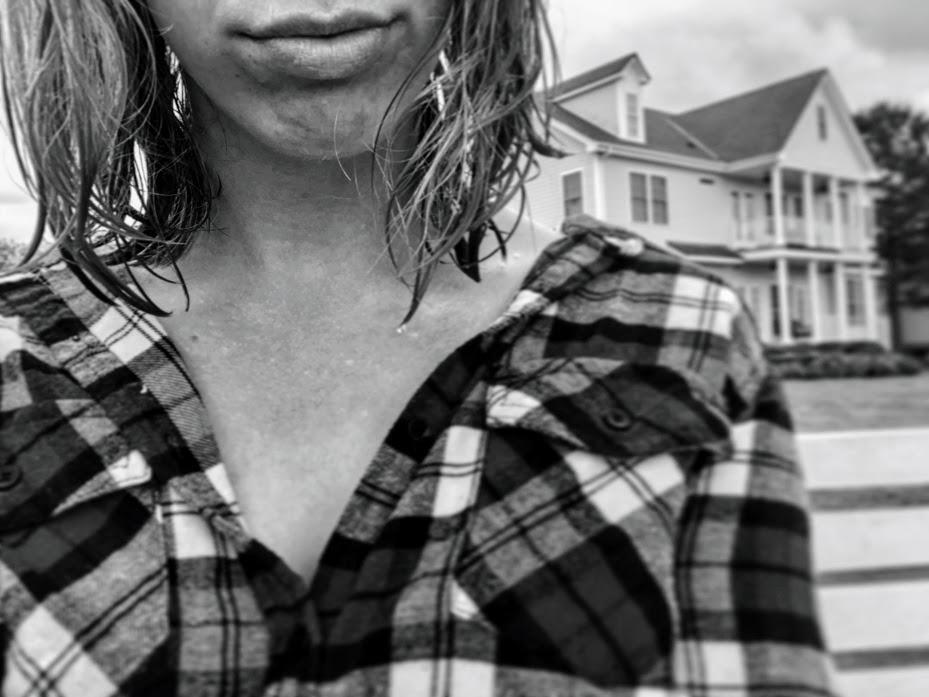
Apprehension gathers around my temples and sends shakes into my hands.
I feel calm: I smile to myself as I peer into my rear-view mirror, fighting the duplicity of my inner turmoil. We’re nearing the end of the year, the end of the decade. So many endings. 2020 looms menacingly behind a two-week’s notice, and its emanate arrival bubbles conflict within me.
bubbling… boiling… overflowing… overwhelming… apprehending.
I don’t feel calm: tears kiss my quivering lip, fear desires to relinquish the skirmish in my mind.
Am I going to believe what I know to be true?
I know God is good. I know 2020 will hold good things. I know I’ve had a lot of joyous moments in 2019. I know the progression of time is natural. I know ending the year numerically/measurably separates me from pretty terrible experiences from 2019.
This year feels like finishing a chapter of a Stephen King novel; the horror is over, but the adrenaline from terrors pulsates through one’s veins and makes him aware that the books is not finished and that more trepidation awaits. With apprehension, the reader begins the next chapter.
I know I’m not living-out a horror novel, however, Jesus literally promised “In this world you will have trouble” (John 16:33). I know that, and that’s easy [for me] to believe. He also declared, “I have come so that they may have life and have it in abundance” (John 10:10) and compared, “If you then, who are evil, know how to give good gifts to your children, how much more will your Father who is in heaven give good things to those who ask him” (Matthew 7:11). Somehow, those two facts are a bit harder for me to believe.
These truths I know, but I battle each day to believe them. I echo a millennia-old cry: “I believe! Help my unbelief” (Mark 9:24).
I exhale, imagining the year altogether. An overwhelming year amplified by increased stressors from the past few weeks. I’m tired of fighting. I reminisce on the past year in color: grays, blues, and splatters of red.
Gray. The color of endings—colors fade into a vortex of grays. From dust we came and to dust we return (Genesis 3:10). It’s the color of loss, of hopelessness, of abandonment, of absence. A sky convulsing with beating rains.
Blue. The color of sadness—shades of somberness in waves of emotion. As deep as the ocean, as expansive as the sky.
Red. The color of passion—drops from the hands, the feet, and the head of Christ. It indicates hurt. Likewise, it’s the color of life, of love, of anger, of danger, and of longing.
Apprehension gnawing at my soul and shivering in my hands, I petition myself again: Am I going to believe what I know to be true?
I know James was earnest when writing “the testing of your faith produces endurance,” (James 1:4). I know that God works all things together for good (Romans 8:28). I know that it is God who works within me (Philippians 2:13).
But oh, how hard it is for me to believe that my pain will not be wasted. How easy it is for me to believe that all of this is for nothing. That my pain is meaningless, that my words are meaningless, that I am a failure because I do not always believe the truth that I know, and that my pain will be wasted because it’s not easy for me to believe in goodness.
It’s hard to see the world around you when you’re filtered through gray, blue, and red. I am of little faith. I cling to the truths I know—I see God’s mercy, provision, and grace all around me—even while I shudder at thoughts of the future.
Yes, I’m happy to leave 2019. But 2020 will be the first year of my life without Patrick, and that’s never something I wanted to write. I will no longer live in the year of his death. The closer we get to the date, the more apprehensive I become.
It’s not that I don’t trust God with the future. I do. It’s simply hard to look forward to an unknown that currently holds little tangible hope–yet, my hope is in Christ and I know that my hope will not be put to shame (Romans 5:5).
Hebrews 11, a chapter exemplifying people of great faith, begins with “Now faith is the assurance of things hoped for, the conviction of things not yet seen,” Hebrews 11:1. I have faith that God will bring good things from the dark year I’ve endured, but I also know the reality of their lives: “These all died in faith, not having received the things promised, but having seen them and greeted them from afar, and having acknowledged that they were strangers and exiles on the earth” (verse 13).
“Remember the promises of God,” many tell me. I remember them, I acknowledge them, and I cling to them, but I know that I might not live to see his promises fulfilled.
I—we, my friends—may never witness one drop of goodness to come from the tragedies in our lives, but we will experience God’s faithfulness. While not tangibly measurable, if we surrender ourselves to Christ, we are guaranteed to see some promises fulfilled. We will experience sanctification. We will experience knowledge and growth. My broken perspective doesn’t make God’s workmanship any less true.
We might not see the goodness amidst the darkness of today, but we can see God’s faithfulness. We can see God’s mercy, and we can trust God even when we cannot seem to believe.
 Exposed