When you lose someone, loss tends to multiply all around you. There’s the one massive loss followed by a series of losses that convolute your grief and make it all so difficult to process.
There’s the drama, the unexpected twists, and the complications you would not expect. There’s blame, stigma, and criticism waiting to greet you at every turn.
And, oh yeah, there’s the fact that you lost someone.
The initial months of grief bring triggers you don’t know you have. One day, I’ll get used to them and have a better idea of what will cascade in outbursts of tears or uneasy anxiety, but for now, it could be anything.
So much feels stolen when someone dies. Suddenly Mom dies and my whole relationship with her is available to the watching world. People are drawn to chaos and redemption: some turn away because it’s too painful to watch, while others lean in and hope to see a brighter day.
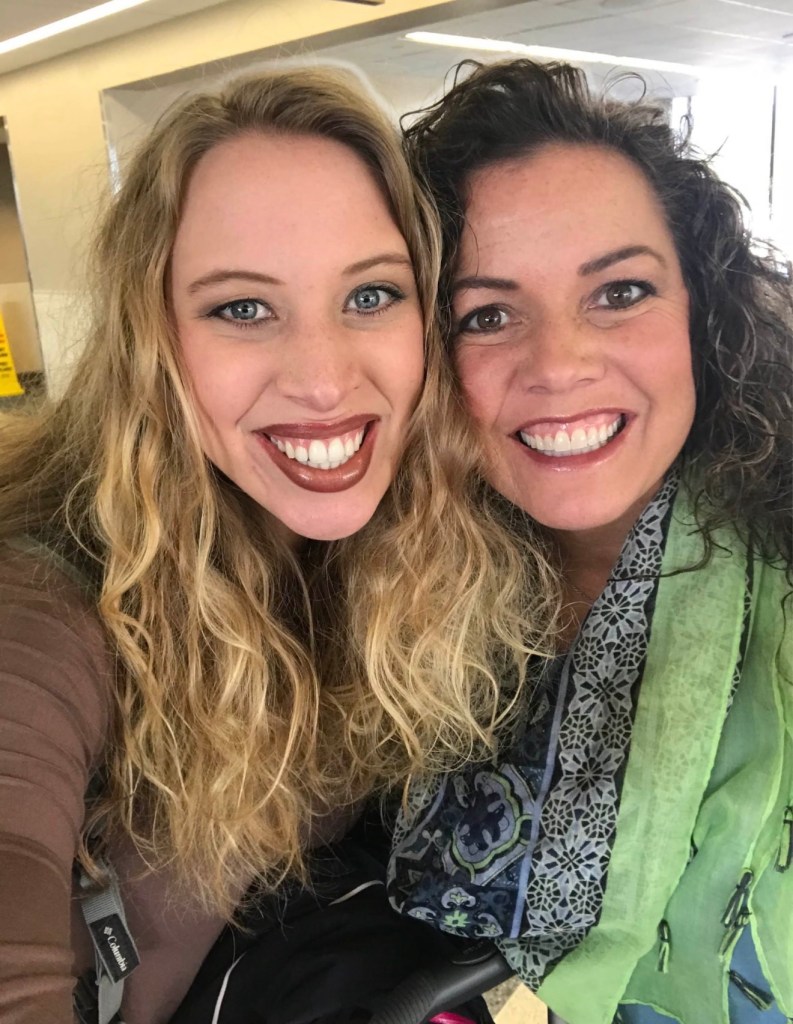
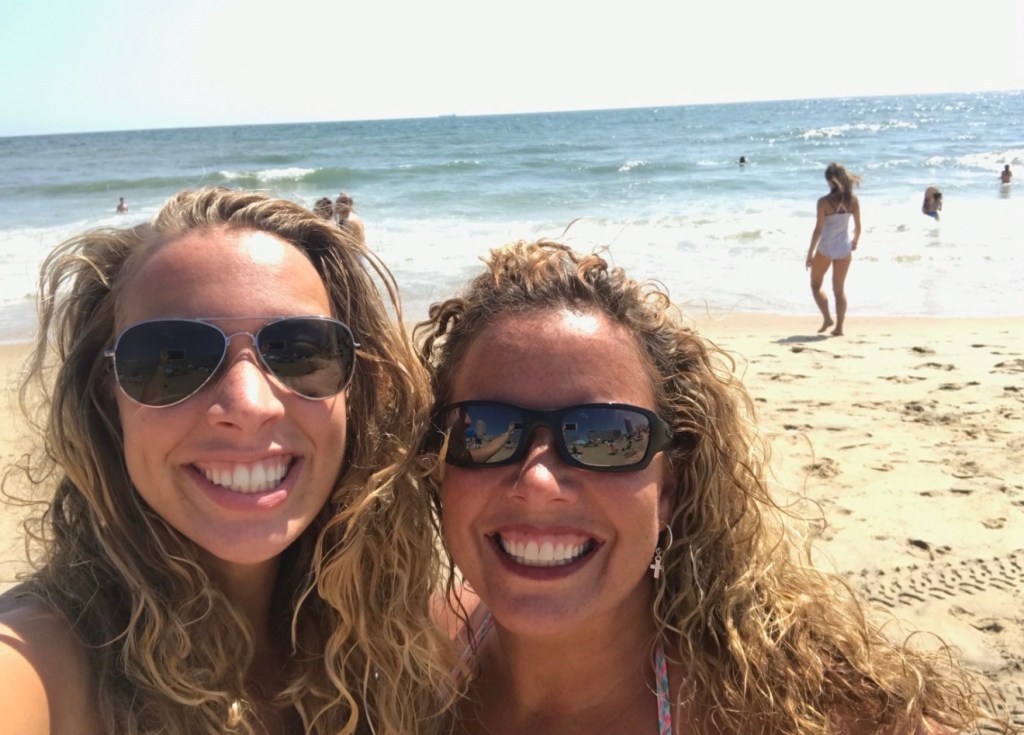
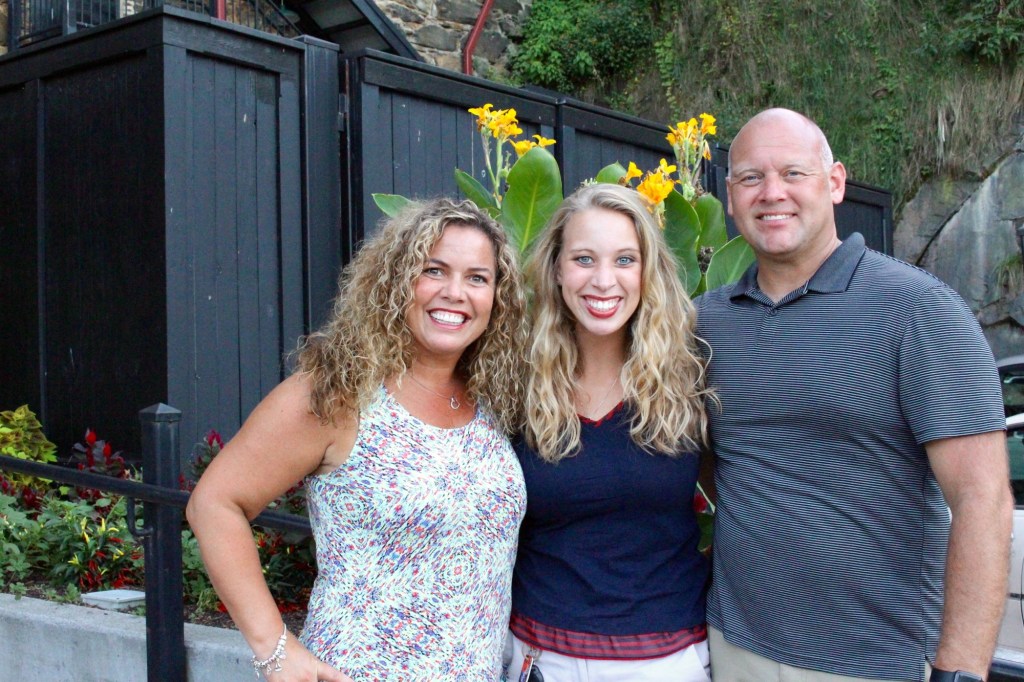
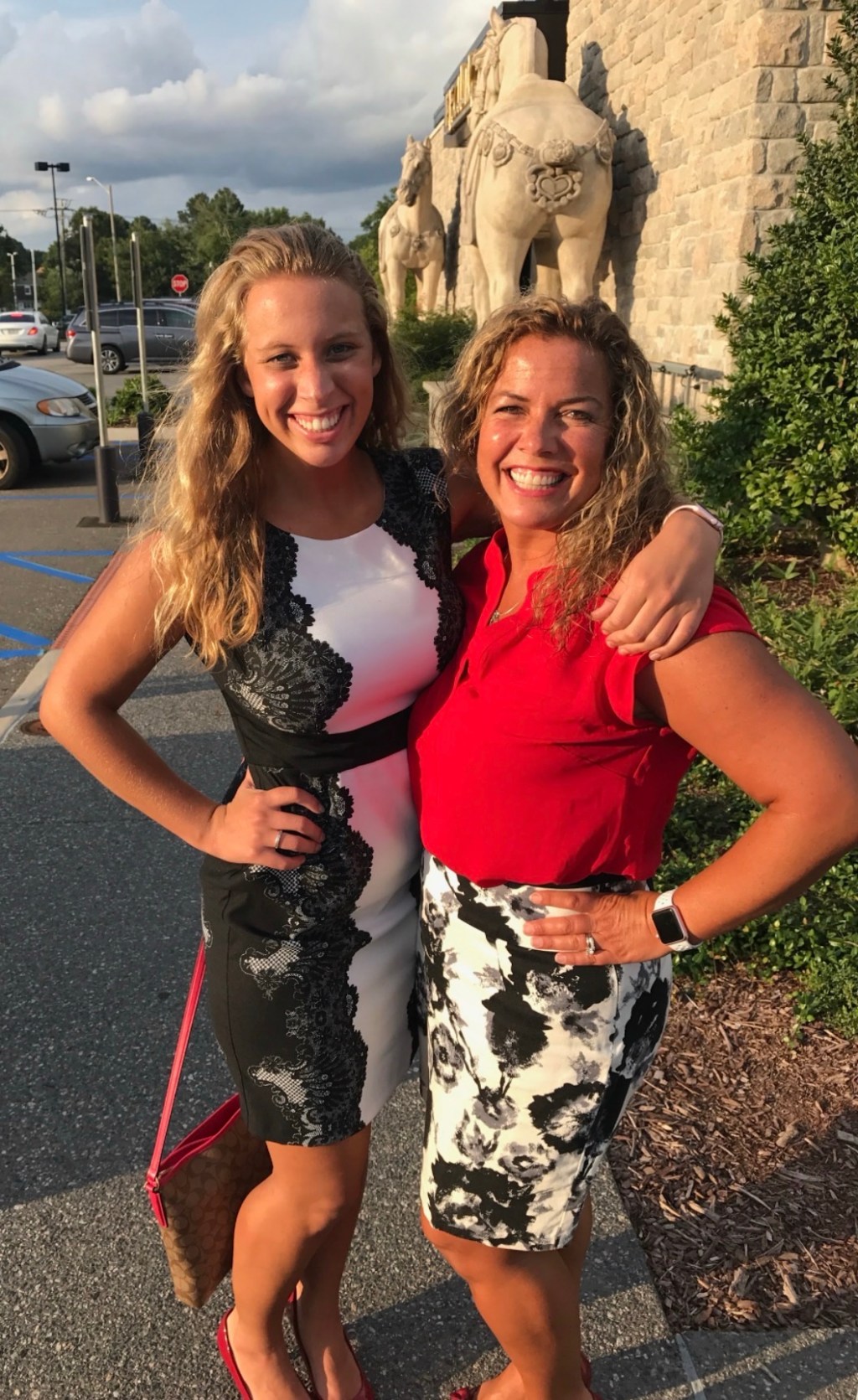
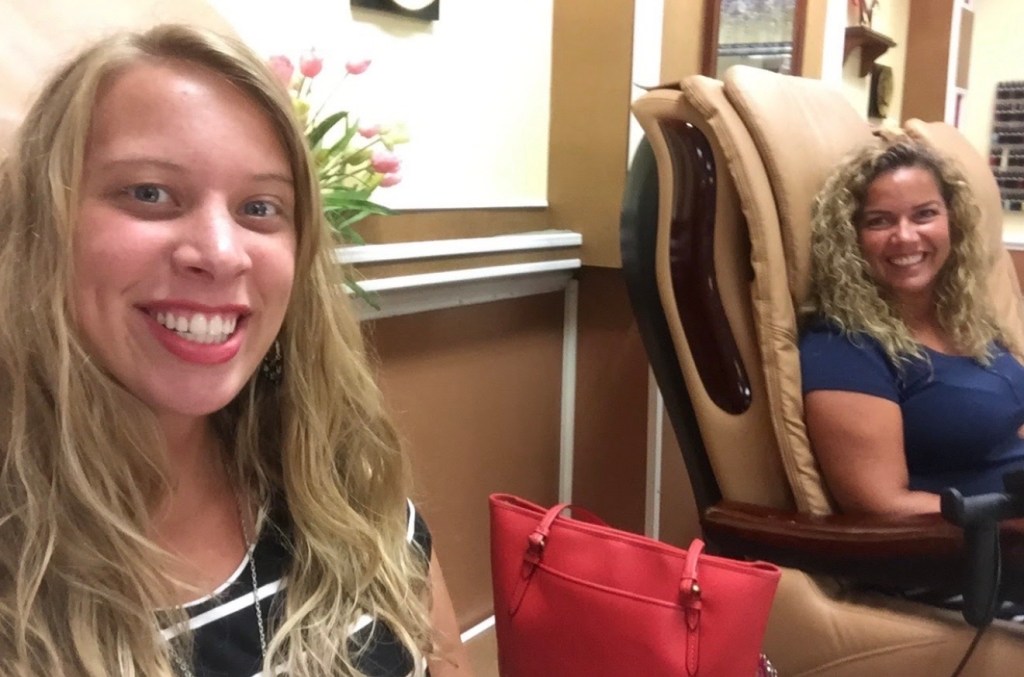
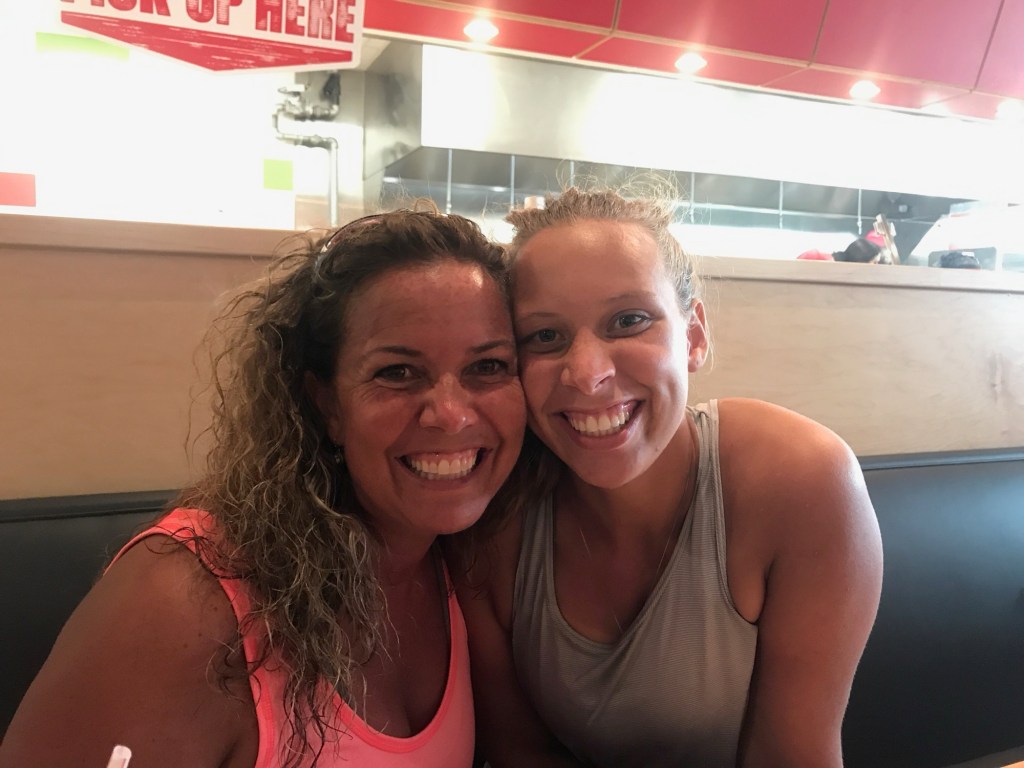
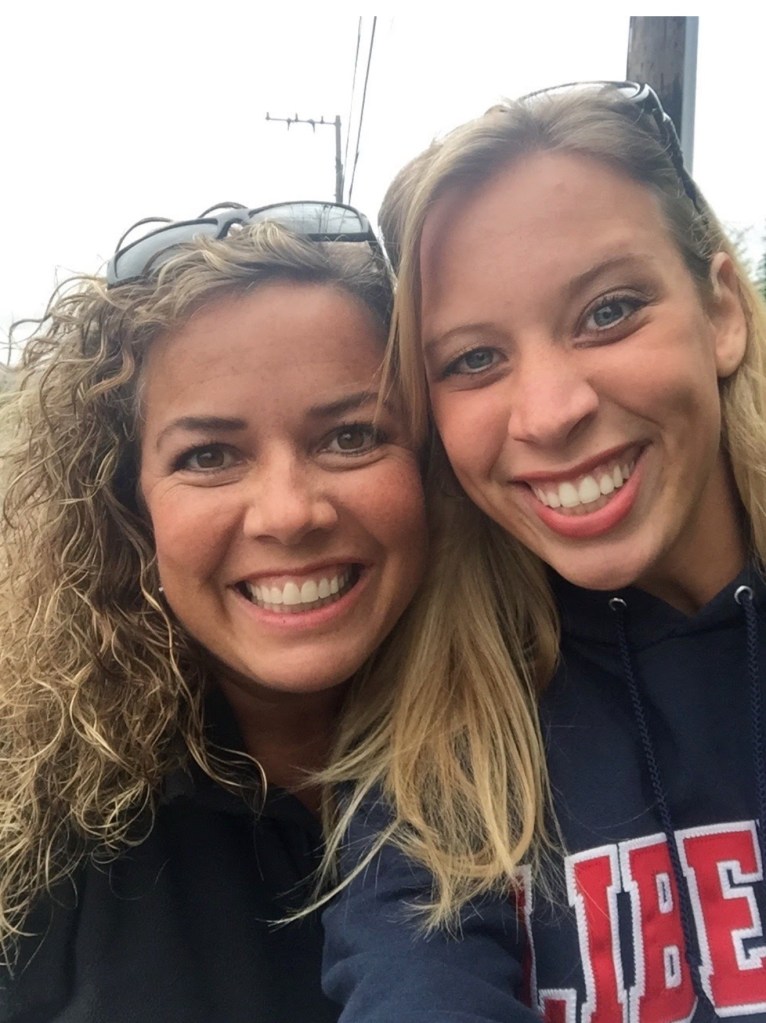
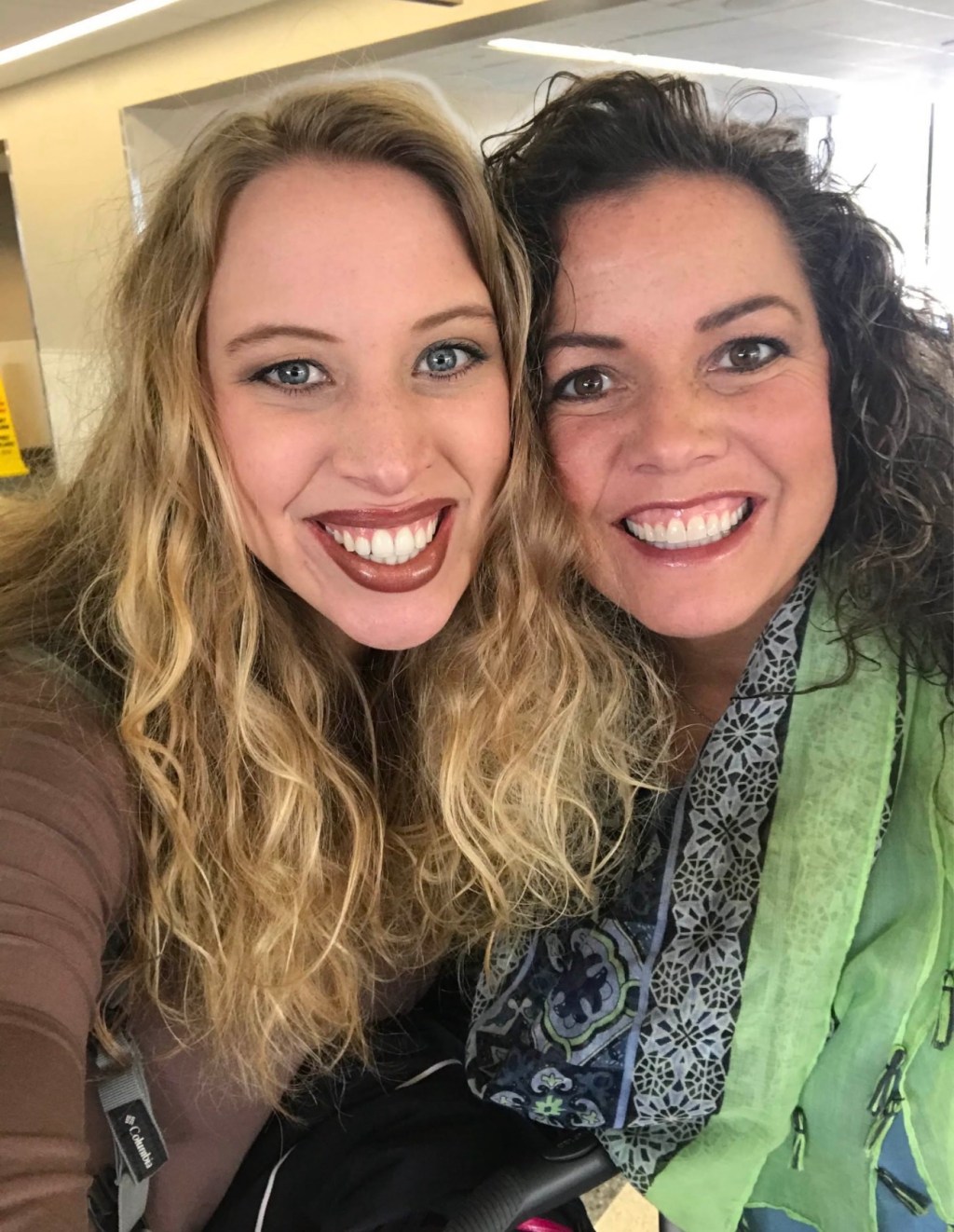
Today, I remember our smiles. I remember my Mom’s beautiful enthusiasm and I remember us rejoicing together, enjoying one another’s companionship. I remember her warmth and endless laughter, I remember her closeness, and I miss her.
“Painful” is the word I most often use to describe this liminal and tormenting reality, but it’s not just emotionally painful.
We are whole beings: sorrow and stress affect our entire bodies as much as they affect our minds.
I started to experience heart complicated about a year and half before Patrick died. These moments manifested as a chest pain, a resting heart rate of around 145 bpm, and a persistent murmur. They grew worse after my friend Walter died, and worse after Patrick died.
My parents finally convinced me to go to the doctor a year after Patrick died, when my chest pain and exhaustive heart rate seemed more of a regularity than an exception. Doctor after doctor and test after test finally lead to an ultrasound of my heart that revealed that my heart aged far quicker than the rest of me. The stenosis resembled someone in their 50s or 60s, not that of a 22 year old. They gave me a beta blocker and told me I’d likely need a pacemaker by the time I turn 35.
I began EMDR, a form of intensive trauma therapy (10/10 recommend), a few months after the diagnosis. To my surprise, I hardly needed my medicine anymore. I restabilized and seldom needed the beta blocker to calm my overreacting heart. Every few years, my cardiologist will continuously monitor my heart for a couple weeks to check in and I received fairly positive results from my last exam in 2023. Healing my mind healed my body, but not entirely.
Since my Mom took her life, I’ve had 56 episodes. These days, sometimes even the beta blocker seems to have little power against the arrhythmia. I wonder what an ultrasound would reveal now. I wonder if the timeline for my inevitable pacemaker draws nearer and nearer.
I’m so tired. Everyday feels like a fight. A new drama, a new hurt, a new layer.
Grief haunts the mind and lives in the body, terrorizing its hosts with one complication after another.
And then you add the drama, all the extra losses, all the disappointments that coalesce to prohibit the griever from feeling alive.
I feel like a ghost, living among ghosts haunting me from their violent deaths. I feel like a ghost, haunting my friends who are vibrant with life while I am trapped by these deaths. I feel like a ghost, left behind in this unforgiving world.
I’m a little “late” to my write this post because I have been so enormously frustrated and exhausted.
Let he who is without sin throw the first stone.
John 8:7
Within the past month, there have been some who surmise that they have discovered the answer for “why” my mother ended her life, and with that “answer,” they cast stones at my family.
Lovely.
In the name of love for my Mother, they seek to harm those she loved most.
Those who believe they discovered the answer claim that they saw the signs, and, to that, I ask, “why did you not share them?” If you think you found the root cause, if you think you saw it while she still lived, why were you silent?
Let he who is without sin throw the first stone.
There is no room in this sacred space of mourning and bereavement for blame, self-righteousness, shame, and condemnation. It is shame that kills us most. Do not speak of things you do not know or understand. Do not assume to know the mind of the departed. Do not impart discord, hatred, and cruelty on her survivors.
Victims and perpetrators, that’s what everyone is in the wake of a suicide, including the one who physically died. Those left behind simply become more dead than alive, people walking without their hearts. Sullen, sunken, and tired eyes barely greeting those around them.
There is much we do not know, and there is much we do know. Do not be foolish enough to think that you have it figured out, and do not be cruel enough to speak abhorrent conjectures into existence.
This is the mess that fuels the stigma suicide survivors live through. This is the loss that begets loss, the suffering that begets suffering.
Yes, it’s harsh. Yes, it’s cruel. And yes, unfortunately, it’s the reality.
* * * * *
For those seeking to help and ease the suffering, the best thing you could do for your friends in mourning is simply to show up and listen with empathy and understanding. Advice doesn’t help. Platitudes don’t help. Conjecture doesn’t help. Empathy and compassion help.
Calm kindness helps. Showing up helps, checking in helps.
Reader, may your lives never experience this horror [again], and may love and compassion greet you. may kindness and humility envelop you. May reconciliation find you. May peace carry your broken heart.
I write, with a pit in my stomach, dryness in my mouth, and fear behind my eyes.
For years, I’ve dreaded this month. It’s a month where I felt so invisible and so abundantly reminded of my own pain. No one really cares about awareness months, except the people whose lives they reflect. For suicide survivors, it’s a tiny little broken community, screaming out in the darkness. It’s not like heritage months or LGBTQ+ months or even cancer months, which all seem to have so much support.
Of course, I have been well aware of Suicide Prevention Awareness Month, but it felt as if no one else really was. September meant annual Suicide Prevention trainings at work, where I’d cry to myself at my computer-based trainings, or fight not to weep during the in-person HR trainings where no one else was affected… except me.
Quite honestly, Suicide Prevention Awareness Month feels like a giant shame-fest for survivors. “These are the signs,” the trainings warn. Only, the thing is, we can see all of the signs, take all the right actions, and people can still end their lives.
So I sat isolated in trainings, and reflected on all the help we did get my brother Patrick. All the signs we did see. All that we did do.
I reflect on my last conversation with Patrick, when he told me “Hopey, you’re my hope. You make me believe that we’ll really beat this.”
This is the first year that it seems other people are aware of Suicide Awareness Prevention Month: it fills my Facebook and Instagram content with posts of warning signs, of fundraisers, of hope, and of so much sadness. It’s strange, and it still feels so icky.
For my Mom, there weren’t signs. It’s a terrifying reminder that, if someone really wants to die, he or she will ensure that we can’t stop them.
Where is the hope in that?
I’m not sure. I’m not so sure there is any hope to prevent suicide. For now, you can hope for me, and maybe I’ll find hope again someday.
What I do know is that this world was a much brighter place with her in it, and the world is a much brighter place with you in it, too.
Check out this link if you are interested in supporting Brevard County’s American Foundation of Suicide Prevention (AFSP) Walk.
I began writing these posts to bring awareness to grief, loss, and surviving suicide.
I lost my brother to suicide when I was 21: back then, very few people in my life had experienced any type of familial loss. I lost my mother to suicide when I was 27, and, still, few people in my life have experienced familial loss.
A majority of people my age haven’t experienced loss, and a majority of people who have experienced loss have not experienced suicide.
Most people reading these posts know me and my family, and have thus now been affected by suicide.
These posts are meant to bring awareness and to highlight a community of mourners. I try to write about my individual experience with grief and it seems that many have found solace and community from these words.
A few weeks ago, I wrote how many have experienced me at my worst while I have experienced them at their best — their tenderest, their most thoughtful, their most considerate, their most generous. It has been beautiful to see people show up for me and my family.
I would be remiss not to mention how this brings out the worst in us, too. Unexpected loss makes people quick to anger or irritability as the brain tries to process a world that no longer makes sense.
Suicide loss forces people to try to find meaning behind a senseless and terrible loss, and this can turn people against one another in the vilest ways. Endless questions of Why did she end her life? exhaust survivors’ minds and, too quickly, the community that should rally to support one another the most instead turns on each other.
In trying to find meaning, survivors can all too easily blame one another — It must have been her job stress. It must have been the church. It must have been her family. It must have been her parents’. It must have been her kids. It must have been her spouse. It must have been her sibling. It must have been her friends. It must have been myself. You should have seen the signs. I should have seen the signs.
Do you see how damning those statements are?
Damning.
Those statements destroy, and, yet, those who should support one another the most can viscously accuse one another with similar statements.
People think it. Some people say it. All survivors feel it.
The truth is that all of this is horrific. The truth is that no one on the planet wanted this. The truth is that any of us would have done anything to prevent this outcome. And yet, people still whisper accusations about survivors and can scream them at her closest friends and family members.
Nobody wanted this. Nobody caused this. Don’t blame her community. Don’t blame her friends. Don’t blame her family. Don’t blame yourself.
Don’t add more hurt to the most painful situation imaginable.
This has been one of the hardest weeks to get out of bed. Perhaps it’s a mix of jet lag, allergies, and grief. Perhaps it’s simply reality sinking in deeper and deeper as the days pass away, each new day taking me farther away from my mother.
I woke up at 3 am other day with the slightest fever and spent the next few hours weeping and feeling the weight of this catastrophic loss. I want my Mommy, I yelped again and again and again. She always made sure to stop by if I was sick, even if it was just for a quick hug or to play with my hair, but mainly just to make sure I was okay. She’d bring medicine, ginger ale or Gatorade, maybe some soup, and all the compassion in the world.
But no more Momma.
I’ve gotten out of bed every day since she passed. I’ve brushed my hair and my teeth each morning and each night without fail. Last week, I finally started putting some jewelry on… it’s funny the little things you do or don’t do in deep grief… but this week I have not wanted to get out of bed at all.
Several grief books discuss the experience of derealization and depersonalization — the out-of-body feeling where one can’t ground himself/herself to the present moment. The sense that the griever is observing oneself from outside his/her body, feeling robotic or numb. I find this occurring most often in large groups and, hence, I am a bit uncomfortable and almost alarmed amidst them. These group activities become a source of anxiety and tension, where I end up spending an inordinate amount of energy on pretending to be normal or pretending to have fun.
The good thing about pretending, though, is that it can often result in positive experiences, but at the cost of an exponential amount of energy.
I think I am pretty spent from the few social activities I have mustered the courage to participate in. I’m not quite sure how one finds balance in this. Maybe I need to plan more one-on-one activities with patient listeners, eager to indulge me with their empathy and kindness. Buuut scheduling that is exhausting, too.
Thus, in the end, everything is simply hard. So excruciatingly difficult and sad and painful.
I’m still getting out of bed, I’m still brushing my hair and my teeth each morning and each evening, but this week it’s seemed to require so much more from me than past weeks.
Friends have done their best to help ease the suffering and mental load, showing up with kindness by bringing me soup, dropping in just to give me a hug, and so much more, and I’m so grateful for that. More grateful than I can probably communicate, but…
It’s a living nightmare, and that’s the reality of living with pain that cannot be fixed. Time and new memories will heal, but not today, not this week, not anytime soon.
Traveling while grieving can become a sick game of “how many places can I be sad in?” Each new experience serves as a reminder of how I can never share any of this with my mom.
Grief mutes the senses and dulls the atmosphere. It prohibits its host from experiencing anything to the full. The infamous brain fog clouds everything one’s eyes behold and rains on the memory of one’s memory newest experiences.
Traveling is helpful, I suppose, in that it requires a massive amount of focus from one’s mind — one must keep moving, walking towards the goal of his or her next destination. One’s loss can’t be at the forefront of the mind when navigating unknown places, but the ache is there. It’s always there.
Death is such an unwelcome visitor, knocking on the doors of our lives and bursting them open despite our protests. Illnesses can creep in to poison’s one’s life, accidents can wreak havoc and destroy life, wicked people can barge in and steal life, but what is this?
What is this?
How terrifying that one’s own mind can betray itself and create death in a most unnatural way. How terrifying that we can’t even see it coming.
And then there’s the stigma: Stigma about grief, stigma about suicide, stigma about mental health, and the deep shame these stigmas create for people who struggle and for survivors left behind by those who lost the battle. Stigmas that prevent people from getting help. How can one reach out for help when everyone around them expects to have the answers?
Our church did not/has not publicly acknowledged my Mom’s death — my mom, a highly influential staff member of the church. What type of message does that send to the stigmatized? What message does that send to the thousand who attended her service and who are in deep mourning?
Maybe they don’t address it because they’re terrified of it, too. Silence always helps, doesn’t it?
Ignoring problems never makes them go away: Silence simply suffocates the suffering, and stigma shames them into solitude.
There should not be shame in “having demons.” Life is abundantly difficult and misery isn’t something to be ashamed of. There should not be shame for having a good life and still struggling with terrible intrusive thoughts. You should be safe to voice that. You should not be shamed or silenced for voicing how horrible life can be and how tormenting your own mind can be. Even God acknowledged that it was not good for man to be alone. Even Jesus acknowledged that life is troublesome. Even Jesus asked for a different way out.
I return home from a trip I aimed to keep very private — there’s a comfort in enjoying quiet and hidden moments after the world discovers something so deeply personal out about one’s life — but all I can think of is the fact that my Mom won’t be there when I get home.
She used to say that she couldn’t wait to get home after traveling because “there’s no place like Florida.” She loved its warmth and its beauty and its vibrancy. She loved that it was home, and she built her home in the loveliest ways.
I can’t reconcile how someone who loved life so much, and who loved me so much, could execute the cruelest action against all that she loved.
I wish she thought that she could get help. I’m sickened that she couldn’t verbalize her struggle. I hate the stigma, I hate the silence, I hate the finality.
If you have ever — ever — ideated, please speak out. Seek a professional counselor and share your ideations. Don’t let shame kill you. Don’t let shame destroy everything that you do love in life.
Be there when someone gets home. Be there when your friend gets home. Be there when your family gets home. Be there to welcome your loved one back. Don’t let stigma take that from all of us.
I’ve been dreading this day for the past six years, since my four year old nephew looked up at me and said “28. Hopey, are you going to die when you turn 28?” Because his uncle, my brother, died when he was 28 and that didn’t make sense.
I’ve called it my “Patrick Birthday,” and I knew it would be difficult, but I never imagined it would be this terrible. A few months ago I imagined the birthday as a source of solemn strength to mark how much I have grown, and to mourn that I would now be “older” than my oldest brother. That alone would have made today painful.
I’ve been dreading this day, and I’ve been mourning it all month.
Birthday.
I used to thank my mom each day on all of our birthdays, praising her for the fact that it was her birth day — the day she did all the work and a day that changed her life immensely. I just showed up.
But now there’s no Mom, and that sucks.
So many people want to celebrate with me, which is sweet and I feel loved, but I don’t want to celebrate. It’s difficult to celebrate with sorrow seeping from your eyes.
Mom made each birthday so special. Most years, she made us us a delicious cake and made the day a big deal! She was a thoughtful gift giver and she was always so excited.
This birthday is special, I suppose, in a different way. It’s sacred: I’m surrounded by people keenly interested in trying to make my birthday magical and sweet, perhaps more so than I have ever experienced before. It’s a day filled with love and gentle care and sweet reminders of my friendships and of those who love me. I won’t forget this birthday, and I will remember all the beautiful acts of kindness so many people have bestowed upon me.
It’s my Patrick birthday. I am 28. I feel old, though so many people still tell me I’m such a baby, ha.
One day, I’ll probably have a Harmony birthday. I’ll turn 51 — “fifty-fun” as we briefly called it — and I’ll be older than my mom. The solemn knowledge of that pains me. I’m not yet ready to be excited about the future, but today I do have hope.
I am loved, I am seen, and there is life and goodness all around me.
One day, I’ll be able to participate and experience the fullness of life once more. Today reminds me that life is a gift, that I am loved, and that the sun still shines.
Thank you to everyone who’s making today special 💙
2019 – Patrick’s 28th and Final Birthday2024 – Hope’s 27th Birthday, My Last Birthday with My Mom2025 – Mom’s 51st and Final Birthday“Fifty Fun”2025 – Hope’s 28th Birthday
Be gracious. Do not be surprised if someone deep in mourning gets a little snippy with you, is irritable, is not very talkative, or tends to dominate the conversation. It’s not you, it’s that mourners have a lot got going on. I know many of you reading this are likewise deep in mourning — be gracious with yourself and with your family. I’m sorry if those around you haven’t experienced much grief — it’s incredibly hard to fathom a grieving mind if you haven’t experienced a deep personal loss.
“I’m sorry” may feel like such a weak thing to say, but it encompasses a tremendous amount of emotion and care. The short phrase empathizes with the mourner and often creates an understanding between two hurting people.
Acknowledging the situation is better than avoiding the topic altogether. It may be awkward to speak up, but a simple “I see you,” goes a long way 💙
The less decisions a person in mourning needs to make, the better. Mourning requires an enormous amount of mental energy, and helping make a decision alleviates a bit of mental fatigue. Don’t be surprised if a griever locks up / shuts down if you ask them what you perceive to be a simple question. Nothingis simple in grief. Nothing.
Presence is best 🤍. Be here, share here, create space here.
It’s okay to ask “How are you doing?” It’s a simple phrase that shows you care, but monitor your tone while asking. There’s a significant difference between an excited “how are you!?” and an empathetic, “so, how are you doing?” Odds are, a mourner is not likely to match excited energy.
It’s not okay to ignore the situation. I get it — it’s awkward and you may not know what to say nor how to act, but a simple acknowledgment of “I’m sorry for your loss,” is preferable to pretending to act normal. Talk about the elephant in the room. It’s all that the griever thinks about. Occasions where I feel like I have to act “normal” — where I have to pretend to ignore the grief that’s on my brain 100% of the time — are my least favorite.
It’s okay to ask if a mourner wants to talk about it — if you’re close friends with the mourner, they may crave the kindness of a listening friend. If you are more of a stranger to the bereaved individual, the mourner may be incredibly uncomfortable talking about the situation. No matter the reaction, it’s okay to ask. Better to ask than to ignore the situation.
Letters just might be my favorite form of communication. I’ve received a few letters and even packages from people and they are incredibly thoughtful and sweet. Unlike a text or phone, letters are calming — there is little pressure to respond and they are crafted with care. Sending a mourner a letter is a kind thing to do, and it means more to the griever than you realize. Even if a griever does not reach out after receiving a letter — the griever likely forgot — that letter meant a lot.
Calls are easier to answer than text and/or instant messages, but a mourner might not always want to talk and they will likely forget to call you back. Don’t feel bad if you call multiple times – calling shows that you care. Texts and instant messages are great too! I just tend to only answer about 2-3 messages a day, so it can take a while to get to them.
Keep inviting, even if the mourner keeps turning down invitations. Celebrations are incredibly difficult for a mourner, though we are truly happy for others. Grieving makes one sensitive and easily overstimulated. If a mourner thinks an event will be triggering, he or she is likely not going to attend the occasion. Triggers mean tears or irritability, and a mourner will not want to take attention away from someone else’s event by letting their emotions surface. Mourners want to support their friends, but they have very little capacity to do so.
Understand that it’s really difficult for mourners to leave their home. Seriously, I barely want to leave. My home is such a safe place, anywhere outside home is simply uncomfortable. Leaving home takes a tremendous amount of effort.
Remind the griever how much he or she means to you. Again, someone in mourning simply can’t show up for their friends in the same way they did before. This can make a griever feel incredibly isolated, feel like a bad friend, and anxious about their relationships. Mourners need a lot of reassurance and reminders that they are loved and are not a burden. We are hyper aware of how little we can give in relationships, and that scares us.
Declaring “Your mom is always with you,” is not helpful. Perhaps it will be in the future, but in the first few days it’s more of a reminder of the chasm between my life and my mom’s death. This phrase is Especially painful for a suicide survivor, who are left with an incredibly deep abandonment wound; thus stating she’s with me when it feels like she chose to leave is incredibly painful.
Tips for communicating with Suicide Survivors
If a cause of death is not published immediately, it is likely because it is due to a highly sensitive cause of death, such as suicide; it is rude to ask the family “What happened?” prior to the family’s announcement. Curiosity is natural, but be courteous of the family when a cause of death is not published.
Starting a sentence with “I’m sorry to ask you this,” or “I’m sorry to pry, but…” typically indicates that it is an inappropriate question to ask. Do yourself and the bereaved a favor and do not ask that question.
Do not ask someone how their loved one took their life. This is insensitive and the information rarely helps.
Do not ask if foul play was involved or if it’s possible that it was not a suicide. Suicide is one of the harshest ways someone can die — a survivor of suicide wishes more than anything else that their loved one did not take their life.
Do not ask if their loved one left a note. This is an incredibly sensitive area. Suicide is incredibly confusing and damning, and information regarding a note is incredibly private and sacred. If a loved one did leave a note, it’s not likely that the survivor would want that information published. The absence of a note, likewise, contributes to the confusion of the situation.
Listen. Survivors have a lot to talk about and a lot to process. Create a safe space for the wounded, and be patient. It’s difficult to put deep thoughts and feelings into words. A survivor may want to share details surrounding the suicide, and that should be considered a privilege (not a right). This sacred information should be honored with respect and reverence. Know that what a survivor shares is private: honor a survivor’s trust and do not share the sensitive information entrusted to you.
Saying “It doesn’t matter how they died,” is dismissive. When someone takes their own life, there is no natural cause, no illness, and no accident to blame. Thus, someone bereaved by suicide can only blame the person who committed the act and his/her self. Suicide creates an arduous mental cycle.
Don’t speculate why they did it. I’ve had several people tell me that my mother likely ended her life because of the loss of her son. You’re essentially telling me that my life and the lives of my siblings and father did not matter enough to stick around for… that’s a pretty mean thing to say. Let me make it perfectly clear that you have absolutely no idea why she ended her life, so do not come to a survivor with a list of possible reasons you think their love one did it.
Practical Ways to Help
The Go Fund Me is still active: https://gofund.me/e4fe4ebf this provides freedom for us to be out of work for an extended amount of time. Giving here eliminates the stress that comes from lost wages.
LiveWell Behavior Health, the organization that Mom used to work at and the place many of my family members are currently receiving therapy, created the “Harmony Project” to “carry forward her legacy by fulfilling one of her deepest dreams: helping others find healing and wholeness. The Harmony Project provides scholarships to individuals in our community seeking meaningful mental, emotional, and spiritual support through professional mental health services.” You can read and donate here: https://www.livewellbehavioralhealth.com/center This is such a beautiful way to honor my mom and we couldn’t be more grateful for all that LiveWell has done for our family.
Lawncare: My Dad has a beautiful lawn with gorgeous trees and plants, buuut of course weeds grow incredibly fast here — if you drop by, maybe scan the lawn before coming inside and pick some weeds if you are willing and able to.
Meals: The meal train was incredibly helpful! Please do this for your grieving friends. While a meal train is no longer necessary and we are getting back into “normal routines,” it would be nice every once in a while if someone called and said “I’m bringing dinner Tuesday!” and offers their company. Someone deep in grief may not be ready for company, but a meal is always welcomed. Deep grief makes one feel as if he or she must relearn every simple skill they’ve known for years.
Gift cards: People gave many gift cards and this was and is incredibly helpful. As I mentioned before, making dinner every night can be overwhelming in general… it becomes even more overwhelming when mourning consumes all of one’s energy. Gift cards for coffee or even sweets like Crumbl are super sweet as well. Someone even gave me a massage gift certificate and that was super sweet and helpful too — I can’t tell you how incredibly tense my body is right now. Grief manifests in the body as much as it does the mind.
Any little act of service helps: Small tasks are incredibly helpful — doing a load of laundry, wiping down a counter, windex-ing a mirror, etc. Sometimes it’s hard for me to even remember to put a pair of shoes on. It’s invaluable to notice those little things that may be neglected and to help one another out.
Education/Book Recommendations:
Educating yourself is one of the most helpful things you could do for my family, and ultimately your own. No matter what, everyone eventually dies. Educating yourself now will create a culture of empathy and understanding for my family and, ultimately, will prepare you and your family for when you face unimaginable loss.
Surviving Suicide Loss by Rita A Schulte, LPC, is a book my family has asked many of our close friends to read. While there are differences between the author’s situation and my family’s, it will provide a glimpse into the depth of our struggle. It discusses the mental load that suicide survivors wrestle through, and provides insight into mental illness. Stigma is an enormous hinderance to both those who complete suicide and those left behind. Amazon link: https://a.co/d/8dmsDun
It’s OK That You’re Not OK by Megan Devine is an excellent book that discusses the cultural dismissal of grief and loss. We live in a culture that has left behind the art of lamentation and grief, leaving mourners with even more confusion to their natural response to tragedy. Amazon link: https://a.co/d/bHe9yHY
Thank You
Ultimately, I want to thank you for the tremendous support you have shown me and my family.
Grief makes one’s soul raw and incredibly sensitive to both pain and compassion. Thank you for your care and love for me and my family.
If any of these tips help and if you read any of the books, please let me know! I’d love to know your thoughts.
I know pain, I know it well. I am friends with sorrow and companions with anguish. I’ve made a home with sleepless nights and solitary mornings. My eyes sore and strained, my lungs feel heavy and weak.
I have known sorrow for years, it has always been with me. It resonates throughout my mind, into my chest, and it overflows from my eyes.
I was just getting used to happiness. Laughter and joy, for what felt like the first time, finally took residence in my soul. I was healing, I wasn’t afraid of the worst case scenario anymore. I felt freedom and the good gifts I had, I felt plenty in my abundance, I felt safe with my family.
We were building a home here, we were building a life here. Our days were filled with sunshine and laughter. My only concern was what joyous outing we would participate in over the upcoming weekend.
I thought we were in this together.
I thought we loved this life, and maybe we did. I thought we were all healing and moving forward after catastrophe. But while I flourished, part of her soul was dying.
She couldn’t tell me, she couldn’t tell anyone. That will never make sense to me. That will always haunt me. That will always terrify me.
Some days it feels impossible to truly smile. How many days did she feel like that, too?
Every day of this nightmare, it’s like I discover something new. Something new about my Mom, something new about my reality. I’m forced to process a complexing piece of information day after day, thought after thought, moment after moment. It’s exhausting. It’s haunting.
Maybe ghost stories were never really about apparitions but about the horrors left behind by the deceased. The painful thoughts they force you to think, the painful loss you have to shoulder. The painful dreams that wake one up in the middle of the night. I feel haunted by my mother and haunted by her actions.
I can’t feel a mother’s love from the grave. Not like this. Not when she leaves me with all this. All I feel is the pain and abandonment from being left behind.
The saddest part is that she never would have wanted that, but she doesn’t get to influence or comfort me anymore.