Week 43

+ This may triggering for people who have lost their spouse / partner *

And so Spring begins, creeping in with the rising sun. Our days stretch longer, our nights illuminate later, our souls dance to new rhythms.

Spring has been so unkind to me… it ushers in many death dates: my friend, my brother, Mother’s Day, mom’s birthday, mom’s death day. Last year there were only three significant dates — I say only, as if three dates isn’t a lot already — May 4, the day I lost a friend. May 5, the last time I saw and heard from my brother. May 7, the day police discovered his body.

I call it “Death Week,” that first embittered week of May. I call them “Death Holidays” now… I can’t quite think of a better term.

* * * *

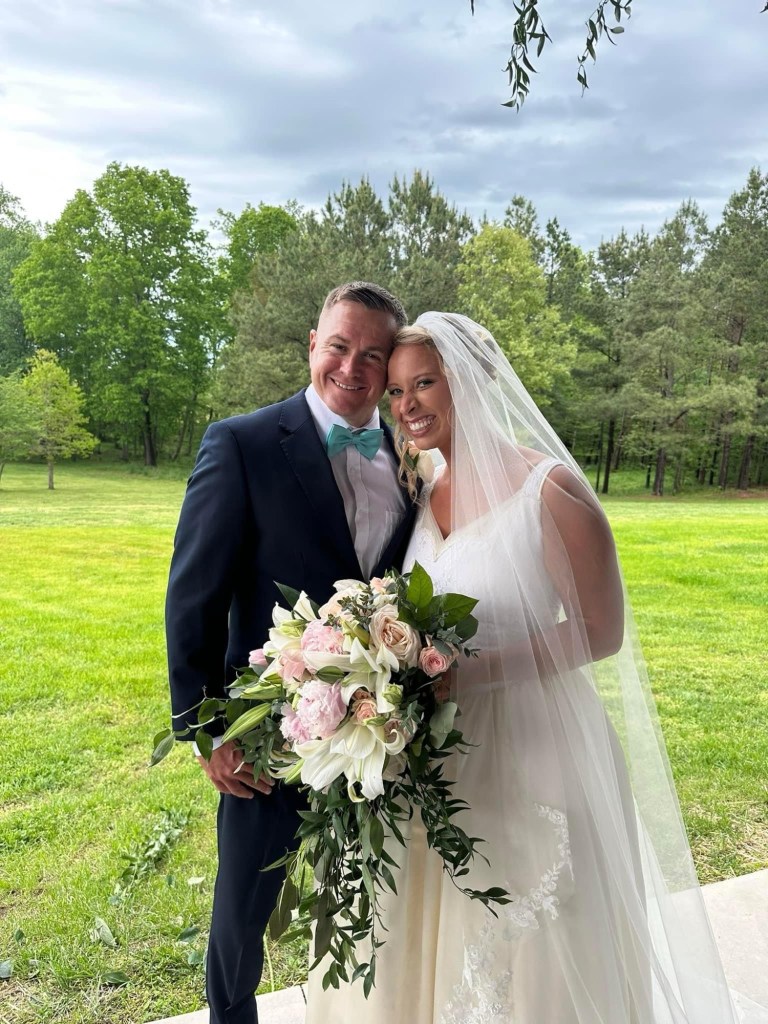
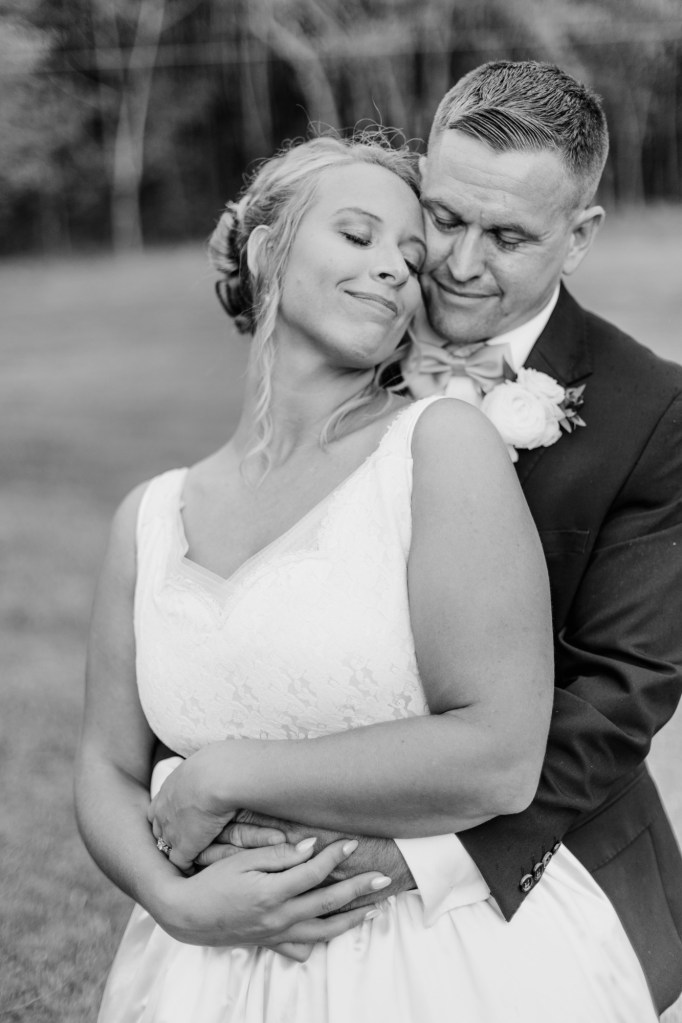
In 2022, Scott and I chose to get married in the early Spring. We wanted to bring something happy into our Spring. Despite everything, Spring remains one of my favorite seasons: it’s the season the world comes back to life. But for us, it’s a season of so much death.
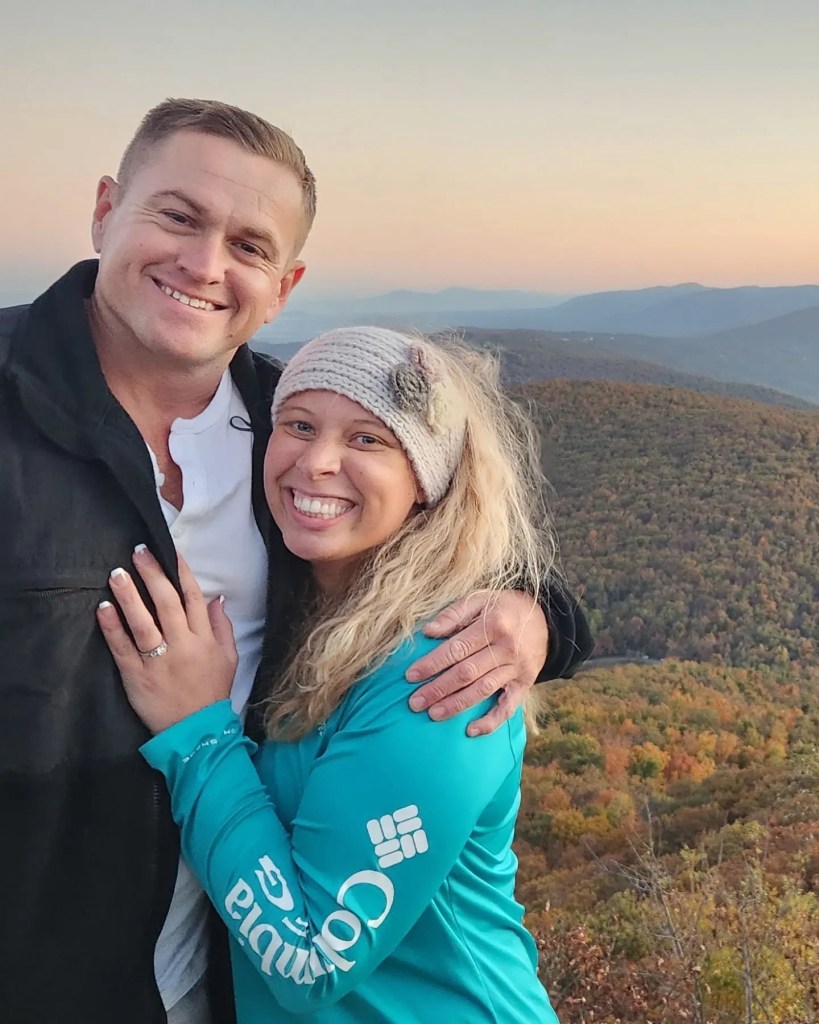
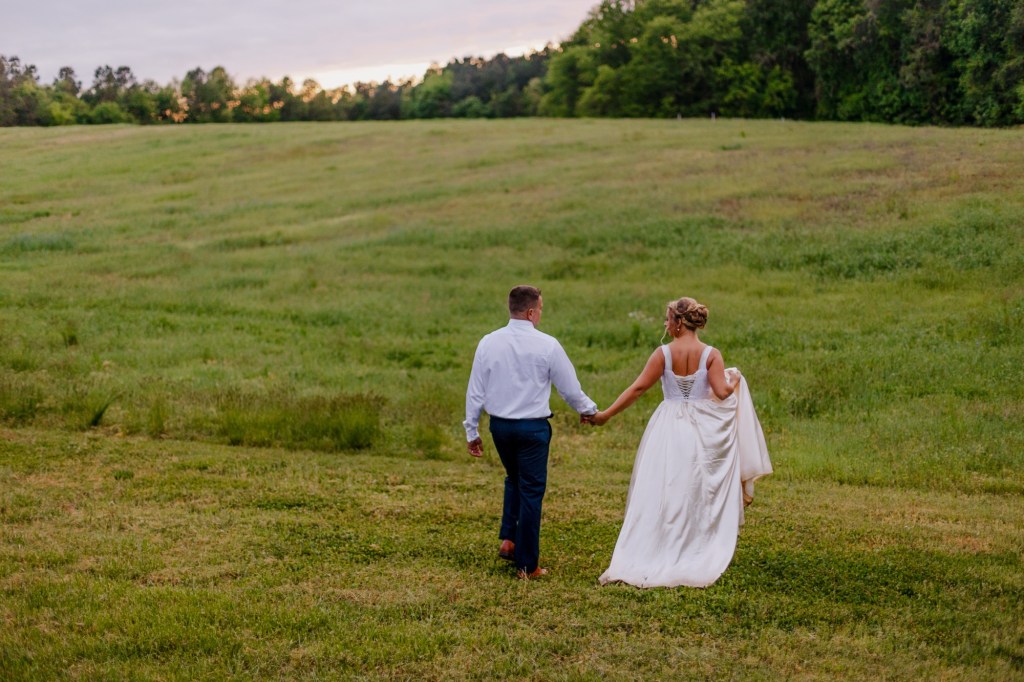
April 22nd marks our three year wedding anniversary, yet these three years have felt like a decade in some ways.

Despite our best efforts, our one wedding date only glimmers compared to the black holes of our five death dates. It feels like such a speck of light this year amidst a galaxy of darkness.

Years ago, perhaps even more than a decade ago, I remember sitting with my friend Gabi and discussing how it’s important to choose someone with whom to suffer well.

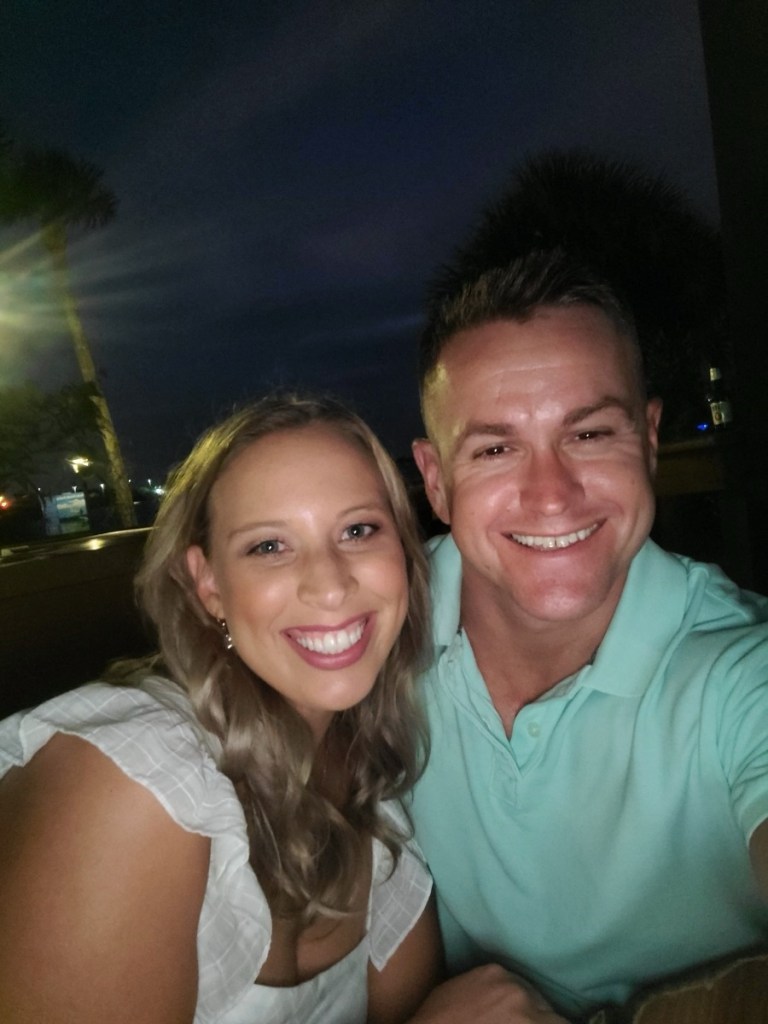
Suffering brought Scott and I together, but we didn’t really find each other [romantically] until years later. We began dating in a beautiful season of bliss with neither one of us actively enduring tragedy. We both had grown, and we often talked about how nice it was to get to know each other when life wasn’t falling apart.
I wish I would have enjoyed our engagement more. Truthfully, I didn’t want a wedding and the planning stressed me out. Scott was figuring out a way to move to Florida and we were trying to buy a house together, too… it was a lot.

In hindsight, I wish I would have simply enjoyed planning things with my Mom.
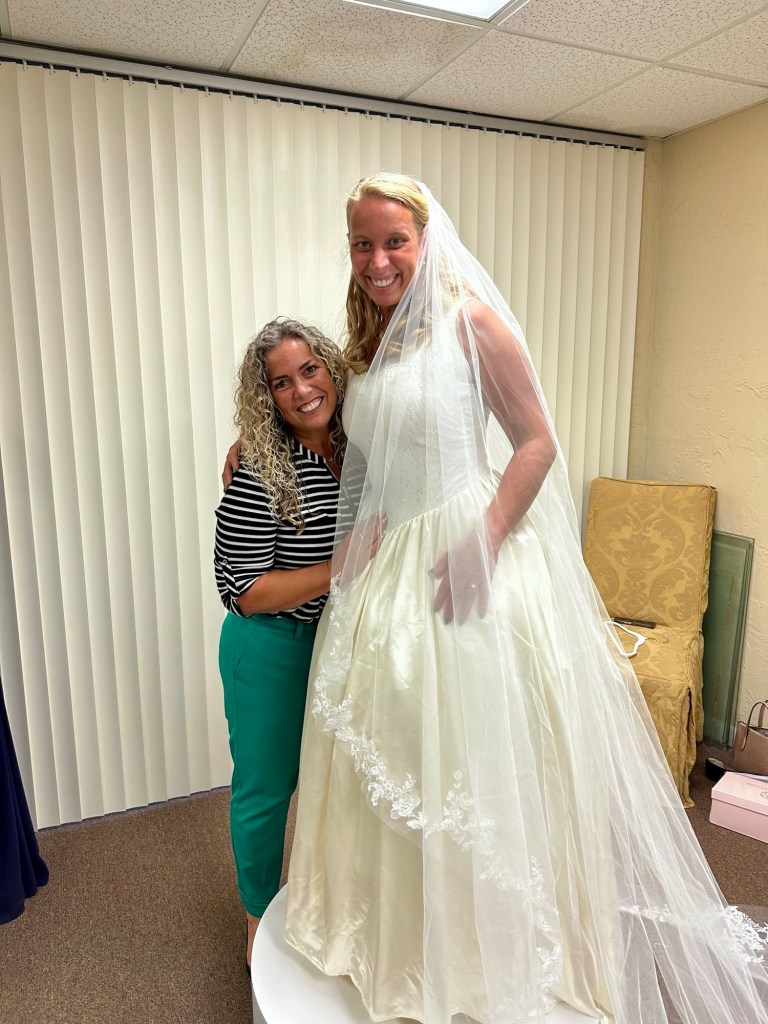
But we just don’t get time back, do we? *sigh*

* * * *

Scott and I have been through so much together, and lately I’ve been grateful that I did choose someone to suffer well with, because we’ve suffered more than we could have imagined.

For years, I did not want to get married. I was afraid of how allowing someone into my life and into my safe space would disrupt my peace and ultimately harm me. I was happy being single… it was safe and calm. I could not imagine someone actually helping me navigate pain.

I idealized my parents’ marriage, and in many ways I still do. I didn’t think it was possible to find a love like theirs. They adored one another, they loved to be together, they helped each other, and they put their relationship first… until one day, she didn’t.

To have two family members’ lives so abruptly destroyed severs attachment beyond communicability.

Initially, I feared that Scott and I would fall apart. To lose my Mom, to lose my parents’ relationship shakes everything.

But we haven’t fallen apart, we’re learning to face death and suicide again. We’ve learned to suffer well, if anyone really can suffer well.

* * * *

Our anniversary is a blessing, and in some ways feels like a miracle. It’s a date of happiness amidst dates of death and sorrow. It’s a date of love still living, of life still blooming, of grace still emanating.

Ultimately, I am hyper aware that we won’t be in this together forever. I hope and pray we live natural lives and die natural deaths, supporting one another til one of us does die. That would be ideal.

Nonetheless, I’m grateful for the todays. I’m grateful for our life together, our home together, our rhythms together. I’m grateful for our love, our peace, and our laughter. I’m grateful for our quiet moments, I’m grateful for our adventures. I’m grateful that we have each other at the end of each day, and I’m grateful for how much we enjoy one another’s company.

I’m sorry our first few years of marriage carry so much heartache. I’m grateful for the comfort we have in each other. I’m grateful for the peace and calm that Scott has protected in our lives. I’m grateful that we suffer together, supporting one another. I am grateful for every today that we get.

I hope our years won’t always be this painful. Thank you, Scott, for bringing comfort and kindness to my life each day. I love you 🩵
Tips for Communicating with a Person in Mourning

  • Be gracious. Do not be surprised if someone deep in mourning gets a little snippy with you, is irritable, is not very talkative, or tends to dominate the conversation. It’s not you, it’s that mourners have a lot got going on. If you are in mourning, be gracious with yourself and with your family. I’m sorry if those around you haven’t experienced much grief — it’s incredibly hard to fathom a grieving mind if you haven’t experienced a deep personal loss.
  • “I’m sorry” feels like such a weak thing to say, but it encompasses a tremendous amount of emotion and care. The short phrase empathizes with the survivor and often creates an understanding between two hurting people.
  • Acknowledging the situation is better than avoiding the topic altogether. It may be awkward to speak up, but a simple “I see you,” goes a long way.
  • The less decisions a person in mourning needs to make, the better. Mourning requires an enormous amount of mental energy, and helping make a decision alleviates a bit of mental fatigue.  Don’t be surprised if a griever locks up / shuts down if you ask them what you perceive to be a simple question. Nothing is simple in grief. Nothing. 
  • Presence is best. Be, share, and create emotional safety.
  • It’s okay to ask “How are you doing?” It’s a simple phrase that shows you care, but monitor your tone while asking. There’s a significant difference between an excited “how are you!?” and an empathetic, “so, how are you doing?” Odds are, a mourner is not likely to match excited energy.
  • It’s not okay to ignore the situation. The unknown of grief can make one feel awkward and uncomfortable when he or she does not know what to say nor how to act, but a simple acknowledgment of “I’m sorry for your loss,” is preferable to pretending to act normal. Talk about the elephant in the room. It’s all that the griever thinks about. The mourner cannot act normal, he or she is in deep grief. Please do not put a mourner in a situation where he or she feels pressure to be normal.
  • It’s okay to ask if a survivor wants to talk about it — if one is close friends with a griever, the bereaved may crave the kindness of a listening friend. If one is more of a stranger to the mourner, the griever may be uncomfortable talking about the situation. No matter the reaction, it’s okay to ask. Better to ask than to ignore.
  • Declaring “Your [loved one] is always with you,” is not helpful. Perhaps it will be in the future, but in the first few days it’s more of a reminder of the chasm between the mourner’s life and his/her loved one’s death. This phrase is especially painful for a suicide survivor, who is left with an incredibly deep abandonment wound. 
  • Letters are a great form of communication. They are incredibly thoughtful and sweet. Unlike a text or phone, letters are calming — there is little pressure to respond and they are crafted with care. Sending a mourner a letter is a kind thing to do, and it means more to the survivor than you realize. Even if a griever does not reach out after receiving a letter — he or she likely forgot — that letter meant a lot. 
  • Calls are easier to answer than text and/or instant messages, but a mourner might not always want to talk and they will likely forget to call you back. Don’t feel bad if you call multiple times – calling shows that you care. Texts and instant messages are great too, but a bereaved individual may only have the capacity to answer a few 2-3 messages a day per day, so please be gracious with their delayed response.
  • If you have to start a sentence with “I’m sorry to ask you this,” or “I’m sorry to pry, but…” do us both a favor and don’t ask that question. That’s your conscious telling you that, yes, it is an inappropriate question to ask.
  • Simply reach out: via text, via instant messenger, commenting on posts. The survivor may not responded, but often appreciates them. Messages help. Survivors appreciate reading about your experience and it can feel validating and comforting to see friends’ support, prayers, and encouragement. A simple moto to remind yourself is that you may need to reach out to a survivor 3 times before the survivor realizes you reached out at all.
  • Podcast, sermons, videos, and songs are not necessarily helpful. A survivor does not have the energy or focus to listen to hours of lectures. This can quickly feel overwhelming.
  • Share your stories of the person who passed away. Survivors want to hear them.
  • Educate yourself. Don’t make a survivor educate you. It’s 2026 — there are multitudes of resources (even Chat GPT) to help you navigate how to support survivors.
  • Keep inviting, even if the mourner keeps turning down invitations. Celebrations are incredibly difficult for a mourner, though we are truly happy for others. Grieving makes one sensitive and easily overstimulated. If a mourner thinks an event will be triggering, he or she is likely not going to attend the occasion. Triggers mean tears or irritability, and a mourner will not want to take attention away from someone else’s event by letting their emotions surface. Mourners want to support their friends, but they have very little capacity to do so.
  • Remind the griever how much he or she means to you. Again, someone in mourning simply can’t show up for their friends in the same way they did before. This can make a griever feel incredibly isolated, feel like a bad friend, and anxious about their relationships. Mourners need a lot of reassurance and reminders that they are loved and are not a burden. We are hyper aware of how little we can give in relationships, and that scares us.
  • Be kind.
  • Understand that survivors are unfathomably exhausted. Honor that.

Future Ways to Help

  • Small tasks are incredibly helpful — doing a load of laundry, wiping down a counter, calling to set up a dental appointment. Sometimes it’s hard for me to even remember to put a pair of shoes on – it’s invaluable to notice those little things that may be neglected and to help one another out.
  • Listen. Create a safe space for the wounded. A survivor may want to share details such as how their loved one died, this is a privilege and not a right. This sacred information should be honored with respect and reverence.
  • Create a “GoFund Me” or something similar on behalf of the survivors
  • Lawn care
  • Meals: Meal trains are incredibly helpful, please do this for your grieving friends.
  • Gift cards, DoorDash, Uber Eats

Resources

  • Read Megan Divine’s It’s OK That You’re Not OK. It’s an excellent book that discusses the cultural dismissal of grief and loss. We live in a culture that has left behind the art of lamentation and grief, leaving mourners with even more confusion to their natural response to tragedy. Amazon link: https://a.co/d/bHe9yHY
  • Read chapter 17 of Mel Robbin’s Let Them theory. Amazon link: https://a.co/d/0eER0zBJ

Week 41

I don’t think it’s very miraculous that we can’t kill a God — I don’t think it’s miraculous that Jesus rose from the grave. It’s miraculous that we murdered the son of God and that he loves us anyway.

Jesus didn’t come to this earth to die — he came to embody love. He came to see the marginalized, to be with the hurting, to heal the broken… and humanity killed him for that.

Of course we can’t kill a god.

I think we’ve missed the point, focusing on his resurrection as if we really had the power to vanquish the creator of life.

The miracle isn’t that he died, the miracle is that he came and then he returned when mankind treated him atrociously. The miracle is that he knew he’d be treat maliciously and he still chose to love us. The miracle is his love and compassion and grace and dignity. The miracle isn’t that mankind couldn’t kill God, the miracle is that he came back.

We’ve missed the why.

Jesus came to offer us a glorious life where we live in community, care for the marginalized, and aid in one another’s healing and he came back even when it killed him. He came and he returned to love.

Love never ends.

You cannot kill it, you cannot deny it, you cannot avoid it, you cannot pretend it doesn’t exist. Love is eternal. It transcends space, time, memory, life, and even death.

We feel tortured and agonized and anguished in grief because sorrow is love’s winter: grief is the other side of love, because love is endless and unfathomable. Love does not end in death — that is why grief stays with us forever, because love is eternal.

Mankind cannot kill Jesus, not eternally, because Jesus is love, and love cannot be killed… just like how a god cannot be killed. Mankind absolutely murdered Jesus, but you can’t obliterate something eternal. It’s not possible, and, therefore the resurrection isn’t miraculous. The miracle is that he loves people despite the fact that we murdered him.

In the Christian world, the Easter season seems to glorify death. There’s nothing beautiful about murder. There’s nothing good about Good Friday — nothing at all. Jesus didn’t have to die to save us, Jesus died because he was murdered. As Peter declared, “You denied the Holy and Righteous One… You killed the source of life” and God raised him from the dead (Acts 3:14-15).

In his own words, Jesus said “I have come so that they may have life and have it in abundance” (John 10:10). He said this to his murderers and to the people who despised him. Our miracle isn’t his resurrection, it’s his love for us.

* * * *

I’ve grown to despise the Christian — perhaps the Western — glorification of death. I reject it, and it sickens me.

Yes, this is the first Easter without my Mom. She always called it “Resurrection Sunday.” She still made us Easter baskets, she even made Scott one too.

This time of year is terribly triggering for me. I spent Easter 2019 in the hospital with Patrick. I found him at a hotel, passed out and over dosed. I called 911 and they pumped his stomach. My roommate dropped me off at the hospital and I spent the night there with him as he came off of his high.

He was shocked I stayed the whole night, and I was saddened that he would be so shocked. I told him that he’s my brother, I loved him, and I would not leave him like that. He asked me if I really believed that God could set people free (John 8:36), and I sang to him Hillsong’s rendition of “Who You Say I Am.” I was 21, I felt 60 that night. I told my roommate a few days later I wasn’t sure how he could keep living like this. I pondered that the alcohol or hallucinogens would end him, but I never would have imagined that he would commit suicide less than 10 days later.

Spring ushers a multitude of mourning: Easter, my sweet friend Walter’s death, Patrick’s death, Mother’s Day, Mother’s birthday, Mother’s death.

I mourn the dead, and I mourn the living: I mourn my grandparents and my Mother’s church. Sometimes it feels like they killed me, too.

* * * *

Good Friday and Easter are about so much more than a deity’s life and death: it’s about a murder and a radical love that changed the world.

Stop glorifying death. It’s killing us.

Week 39

How rare and beautiful it truly is that we exist.

Ryan O’Neal, creator of Sleeping at Last, composes astoundingly beautiful melodies with profoundly deep lyrics and is thus one of my favorite artists. His ballad Saturn hosts the aforementioned lyrics. O’Neal pens reflective songs portraying the ornate nature of life, drawing imagery from astronomy, personality, faith, and earth.

Lately, I’ve been pondering about life’s beauty and tragedy. Too often we hear the derogatory phrases about our existence; “Well, that’s life,” as if the universe demands we be disappointed, “Life sucks,” “Life is hard,” and a deluge of other cliches with similar messages. We create an undertone of disaster and negativity with these phrases, yet they simultaneously minimize the struggle. “That’s life [so stop complaining].” “Life sucks [so move on].” “Life is hard [so stop expecting anything different].”

One of my greatest passions is normalizing the depth of the human experience through delineating natural emotions, and I’m an immense proponent in admitting how painful life can be, but I’m drawn to the simple truth of O’Neal’s words. How rare and beautiful it truly is that we exist.

We teach one another that growing up is painful, but we say it as if that’s “just the way it is.” Life isn’t painful because God or the universe or some force is out to get us — life is painful because other human beings hurt us and because we often hurt ourselves, too.

Life is not bad, life is not hard. People’s choices are bad and they make it hard. Sometimes our choices are bad, and it makes life hard, too. But life at its core is not hard — life is a gift.

Life is precious. We see this in the beauty of new life, we see this in the dignity of a life well lived, we experience this in the relationships that give us life. Life is not to be condemned but to be loved, shared, explored, and freed.

I reject the concept that life is hard. Yes, so many things in our lives produce unfathomable amounts of pain that we will carry with us forever, but that truth does not negate that life is a gift.

In this life, we have ample opportunity to heal, to change, to love, to grow, and to enjoy this one beautiful gift that we have. It is our responsibility to ourselves and to one another to tend to our lives. In taking care of ourselves, in knowing what we want and need from life and acting on that, we transform our lives and undoubtedly positively impact the lives of those around us.

Life is hard because people make it hard. Life is hard because people hurt us, neglect us, betray us, and wound us. Life is hard because we ourselves, too, make choices that hurt ourselves, neglect ourselves, betray ourselves, and wound ourselves. May we remember that our lives, each, are gifts to ourselves and to one another.

We have got to stop talking about how life is terrible and how life is tragic and how Life/God/The Universe exists to make us miserable. That narrative is killing us. Life is not about suffering. The purpose of life is not in suffering. Loss and hurt and wounds are powerful and they drastically impact our lives, but life is so much more than our heartbreaks.

May we engage in life’s beauty, tragedy, and lightheartedness. May we enjoy what life has offered us and the goodness that life brings us. May you heal from the people who hurt you and may you heal from the ways you have hurt yourself.

Your life is precious, your days are your opportunities to change your world. Life is not out to get you. God is not punishing you. The universe is not hurting you. People hurt you, you hurt you, but that is not the final say in your story.

Your life is beautiful and your ability to change your world will change the world for the better, if you let it.

May we remember how rare and beautiful it truly is that we exist.

Week 37

One of the worst parts about surviving suicide is the intense complexity that uniquely separates this type of loss. The departed cannot simply be mourned — survivors must realistically analyze their lives for hints of where did it all go wrong?

Instead of deifying the departed for their one glorious life, suicide survivors must confront the reality of who their beloved was and discover ways they don’t want to be like their loved one.

We survivors must look death in the face and admit that our person wasn’t altogether wonderful and beautiful and blameless. Who wants to think about the less amiable qualities of their beloved when all that we miss is everything that he or she was?

And yet, we must. When you’re a survivor of suicide, especially from a parent, you must reevaluate your entire life. You must consider the actions and beliefs your love one upheld that were not only inaccurate but also deadly.

When your parent commits suicide, you innately become afraid of the pieces of yourself that are like your deceased parent. Every character quality you share with that parent becomes scary — Does this quality mean that I am doomed to the same fate? Does that quality indicate that I’m _________.

You’re forced to deconstruct your life and, in doing so, deconstruct yourself.

We want to honor our loved ones for the incredible people that they were, and yet we are afraid to emulate them. We carry both, simultaneously, as walking contradictions mending two broken tapestries together.

Our histories guide us and carry us and support us, but our bleakest history does not determine the light and depth of our future.

I can be proud to be like my mother and terrified of that, too. Right now, I have to be. I have to learn to accept the parts of her that I reflect while learning to reject what caused her harm.

Grief’s complexity weighs on the mind as it tries to invent a new world while it cannot let go of the old: neurologically, to the mind, our loved ones cannot die and yet the mind has to learn to make sense of their absence (for more resources, refer to Mary Francis-O’Connor’s The Grieving Brain). Loss physiologically affects the brain enormously and clouds it with the infamous “brain fog,” for years until the brain can make sense of the absence… and all of this occurs with “normal” loss.

In “normal” grief one has the luxury [and hell] of missing the departed and mourning their life. In suicide, it’s our loved one who murdered his and/or herself. It’s a heavy complexity that few have to live through and few want to lean into.

Supporting suicide survivors looks like holding their hands while they fumble through the incomprehensible and what culture views as unspeakable. It looks like compassionately listening and asking kind questions, it’s creating a safe atmosphere, and it’s holding survivors with open hands. Survivors may not have the capacity to reach out, and they will not have the capacity to show up for you in the way you would like at this stage in your life.

It’s incommunicable, this weight we carry, and yet honest words open doors into this darkness. Each opened door carries light with it, illuminating these hallowed hallways of our lives, and light is life; when nurtured, life returns.

Week 35

Friday, June 20, 2025 my Mom ended her life.

Friday, February 20, 2026… eight months later.

What a disastrous fallout plagued us since then, as my sweet “Auntie” wrote:

❤️‍🩹 We were just going through a normal day… and then everything changed in an instant.

Nothing prepares you for how quickly life can shift.

This hurts more than words can say. Missing her.

It was a normal day. A normal summer day with brilliant blue skies and tropical Florida heat. Scott and I went to the pool that day and enjoyed our new pool floaties… it was a glorious afternoon.

Until it wasn’t.

Now, we bear the fallout. This hell she condemned us to because she couldn’t speak of the hell that was within her mind. How tragic, to be trapped in a mental delusion of hopelessness. How cruel, to deny the expression of that hopelessness into words. How ghastly, to use hopelessness as a weapon. How dismal, to survive the consequence of another’s hopelessness.

Being alive means having hope. Being alive means having opportunity. Being alive means change is possible. Death, now death robs everyone of that possibility.

We weren’t meant to live our lives out of hopelessness. God didn’t create man simply to die, and Jesus didn’t come to earth to show us death is better than life — It was we forlorn and lost creatures that killed him.

Interestingly enough, the biblical [Greek] word for “salvation” [sozo] is the same word for “healing.” Think of it this way: instead of Christ coming to “seek and save the lost,” think about him coming to “seek and heal the lost” (Luke 19:10).

What if this life is about so much more than salvation? What if it’s really about healing? What if God really did come to earth, filled with compassion, to heal the broken hearted and bind up their wounds?

What if salvation actually doesn’t have anything to do with death?

Jesus’ earthly wounds didn’t disappear after he died (John 20). Perhaps our lives are far more significant than we realize, not because we have to earn our ways into “heaven” (which, by the way, literally translates to “the skies, the expanse”) and to stay out of “hell” (translates “the land of the dead” and, metaphorically, “Gehenna,” which was an actual literal place on earth).

Maybe God came to heal us, and maybe that should be our focus.

We all have our defining moments; these ominous moments of our lives marked with so much pain that they pinpoint and define the rest of our lives. We’ve all been to Gehenna, and the only way out of it is through it.

Even when I walk through the valley of death, I will fear no evil for you are with me

… Only goodness and faithful love will pursue me all the days of my life,  and I will dwell in the house of the  Lord as long as I live.
‭‭Psalms‬ ‭23‬:‭6‬

Being alive is never hopeless. Having a hard life isn’t hopeless.

Now is the time to mourn, to heal, to change. The time to plant seeds of sorrow and anguish and healing, and these seeds will bring new life. Hope will guard them and guide them as they grow into the most beautifully wild flowers.

Abundance may come after decimation, but it may only come after healing.

Week 34

I’ve always loved Valentine’s Day, and I attribute most of that to my parents. They celebrated one another and each of us kids: Mom gave gifts to the boys, and Dad gave a gift to me every Valentine’s Day until I got married. When I lived with them, Dad would leave a gift outside my bedroom door to greet me in the morning. It’s a great way to raise one’s kids because it made the holiday special from the beginning. I never minded being single on Valentine’s Day. I love getting to celebrate love, whether my own or someone else’s. I love the hearts and the pink and red and the genuine giddiness and galentines, too! Sure, hallmark and corporations push the holiday but hey, I love any excuse to celebrate Scott. I love opportunities to do something special for my love, and Valentine’s Day provides just that!

Buuuut… Losing my mother to suicide changes everything I knew about love. Abandoned by my mother, rejected by her family, shunned by the majority of her church leadership, and my parents’ marriage nullified by her death— four institutions that were once steady in my life, irrevocably destroyed. Three groups that made the contentious decision to harm me via violent action and lethal passivity, and one marriage that created a family obliterated.

What is love, if not something that shatters you?

As I’ve written before, you can’t feel a mother’s love from the grave.

The last fabrics of security slowly tear from me. It’s fortunate I married before Mom died — I’m not sure I would believe in anything concrete enough to marry after she passed, and I’m quite thankful for my husband.

Like any couple, Scott I do our best to create and build our own love, and I try my hardest not to fear the possibility of every form of love slipping from my fingers.

There’s a pendulum in my mind that swings between the people I never thought I’d lose and the people I am amazed showed up.

Those who know deep pain speak a language entirely foreign to those who don’t lean in. Empathetic witnesses can learn this language with study and exposure, though they speak it with a distant accent.

Not everyone can show up, and that’s okay. Everyone can show love. Love marks people: it can heal them and brighten them, unrequited love can mar them, the absence of love can destroy them.

My father and my surviving two brothers remain a chain of unbroken and unwavering dedication towards each other, for now. I will always fear another suicide in our family — odds for repeated suicide increase dramatically after one suicide in the nuclear family. With two in mine, we survivors are 600% more likely to end our lives — but, we four survivors have been incredibly supportive towards one another.

Aside from these four, I remind myself that it’s the people who have chosen to show up time and time again that have aided in my support and healing. It’s the “aunt” and “uncle” I didn’t realize weren’t related to us that have become more family to me that my genetic relatives. It’s the friends that have shown up when siblings have checked out. It’s the Christian [and non-Christian] community disconnected from any one church that came together when my [past two] churches stigmatized us. It’s the people that weren’t necessarily “supposed to” be there who have shown up the most in my life, and this isn’t an uncommon phenomenon. We all know the saying “Friends are the family you choose.”

I don’t write any of this to bash my mother’s family or her church, and I don’t want people to weaponize my words against either party. There has been enough hurt, and it’s 2026: people have nearly unlimited resources, cell phones, and endless ways to reach out to one another. If they wanted to fix things, they would. It’s been eight months since my mom died — they don’t want to fix things, and additional [well-meaning] people getting involved will not change that. Sometimes the most loving thing one can do is let go. So, I let go of them. I release any hope of healing or restoration. Maybe it happens, maybe it doesn’t, but realistically I haven’t needed them to come this far.

Sometimes we are forced to create meaningful and beautiful lives without the people that were supposed to be there for all of it, and sometimes it’s because of death while other times it’s because pain separates the living.

To those who have shown up, thank you. I see you, I love you 💙. To those who can’t show up or chose not to show up, I love you, too. Take care, be well. Pursue healing and love.

The point is — this is what it’s like to survive suicide. A whole world erodes, and the roots left turn out to be beautiful and complex and mangled in grief.

The best people come to tend to and to water these roots, and one day new life and new dreams will bloom from what they have cared for. Above all, love each other deeply. Love heals a multitude of sorrows.

Week 33

It’s been 231 days since my Mother ended her life. She was 51. I was 27.

It’s been 2,468 days since my brother’s suicide was discovered. He was 28. I was 21.

It’s been 2,836 days since my close friend drowned. He was 25. I was 20.

I could list a few more death dates, but these three have been the most sudden and traumatic. They are the most obvious and the most public form of trauma that I have endured.

* * * *

When I was a preteen and teenager, I couldn’t wait for my twenties. I couldn’t wait for the freedom that comes with growing up — being able to drive, choose a place to live, and figuring out what I wanted from life. I longed for the independence and relished the idea of being free and fun and maybe beautiful.

I started college at age 16 and was well on my track for freedom and independence — kind of. I had the most supportive parents in the world: they agreed to let me use Dad’s GI Bill and at 17 I “moved out” into a college dorm.

Dinner before Mom and Dad dropped me off at University

Each of my Sibling’s Favorite Bible Verses. Notes from my parents and brothers on the back of each letter. They made it as a gift for my first dorm.

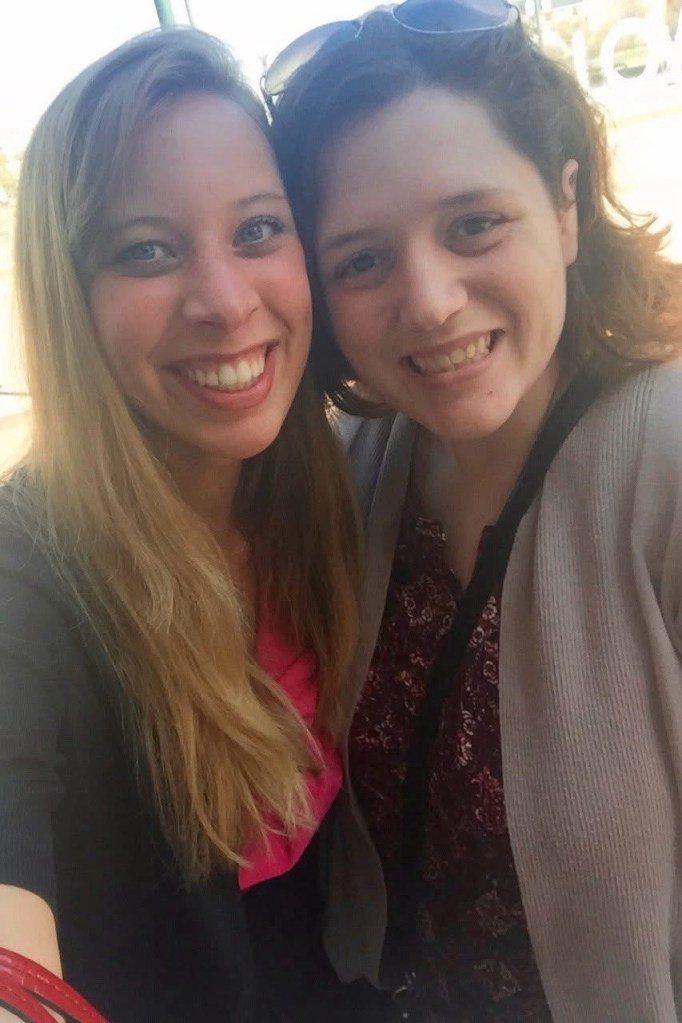
In college… well, I was just about the most boring human you’d ever meet, ha. You can ask my good friends Brittany and Becca to verify — we called ourselves the “Grandma Group” because we woke up early and studied all the time. They’re actually the friends that pushed me to start this blog nearly 10 years ago (read my bio for more info on that).

I wasn’t fun. I don’t think I’ve ever really been fun, but I did love the freedom. Turns out, all I really wanted freedom to do was read books and drink coffee peacefully. There’s not a whole lot of peace in a houseful of teenage brothers 🙂 but there is a whole lot of love.

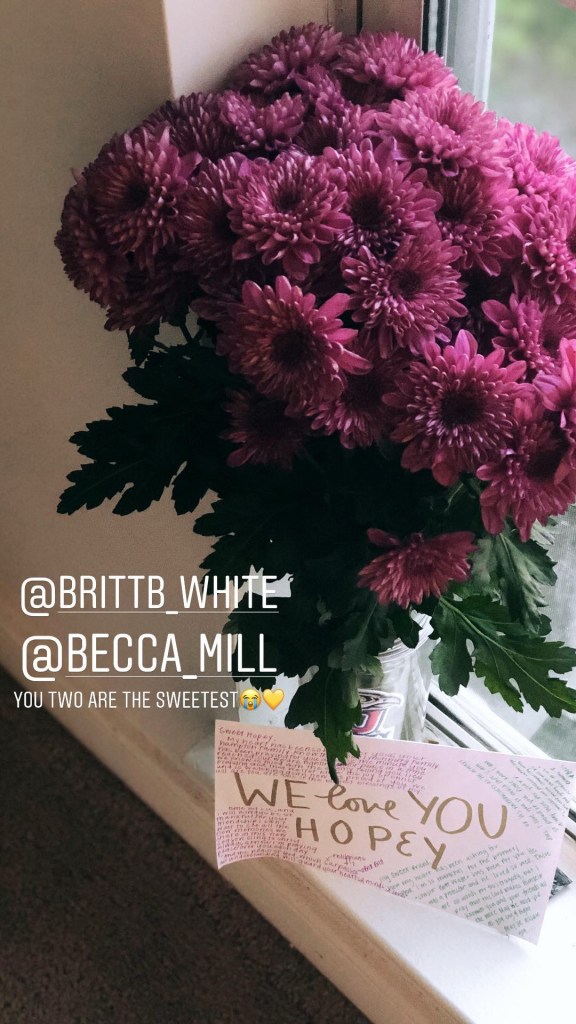
My sweet friend drowned mere weeks from my graduation… suddenly my exciting twenties sank into the vast ocean of grief. As JK Rowling imaginatively defines it, there really are two types of people in the world: those who see thestrals and those who don’t. Brittany and Becca lovingly cleaned my apartment when I went home for my friend’s funeral, and they left flowers to welcome me when I returned. Professors extended capstone deadlines, and Lauren even helped me write some of my final papers.

Brittany and Becca left this when they cleaned my apartment 💙

My parents moved the day I graduated college, and I wasn’t sure where I’d live anymore. I was searing from a world stripped of all confidence and hope. My friend Rachel took me under her wing and let me stay with her while I tried to figure out my next move.

Sweet Rachel 🩷

366 days later, my brother Patrick went AWOL. I spent the night with him the evening before our friend’s one year death-anniversary. The morning of the one year, Patrick gave me a book, he told me he loved me, and I never heard from him again. I haven’t brought myself to read that book. Those same sweet friends showed up then too, and a few more. 💙

💙
There’s so much shock in initial grief — you’re just so happy to see the people who are alive 💙

11 months after that, I left Virginia to join my parents for a month before I moved to Florida. I only told two people what day I would leave Virginia… I didn’t even tell my now husband, despite his pleadings to let him know when I would be gone. I think hurt a lot of people doing that, but shame kept me from allowing people to say goodbye — I didn’t think I deserved it. I thought people wishing me well would be lying… I wasn’t much of a good friend back then. My theme song was The Prince of Spain’s “Rising Sun,” and so I went just like the lyrics.

At 22, my dog Nala and I travelled across the country to start our new lives in Sunny Florida. I’d accepted a great job in a town I’d never heard of, my friend Tori gifted me Nala, and we were off to create a new and exciting life. And it was new and exciting! I had a beautiful apartment and I had hopes and dreams once more. I had a safe place where I could read in peace once again. It was such a turning point for me, a clear mark of sunshine and healing.

Mine and Nala’s first stop on our move.

My parents and brother Sawyer joined me not long after. Life was beautiful for me. Simple. Healing. Years of healing and new life. I pursued EMDR — a specialized trauma therapy — my second year in Florida and it changed my life.

My parents buying me things for my first solo apartment 💙
So much growth and healing in this sweet space.

I learned about my own attachment style and how to navigate various attachment styles, and I learned how to better love and accept love. Much to my surprise, I reconnected with Scott and our friendship bloomed into a loving marriage when I turned 25. I remember thinking at the beginning of our relationship that Scott had seen me at my worst and he still loved me — he still showed up, especially in times where I couldn’t show up for myself, much less anyone else.

The night that changed everything 🤍

You can do so much healing on your own, but there are some forms of healing that can’t be done outside of relationships; relationships, especially marriage, expose insecurities and triggers people typically can’t realize they have on their own. Trust issues rooted in past relationships surface even in the most trustworthy of partners. So many triggers and arguments have so little to do with the person in front of you. We had fun in our first year of marriage, but a lot of trauma resurfaced. Moving was a huge adjustment for Scott and I tended to take that personally — as if him missing home meant he didn’t love me or our life together.

Our second year, though, brought a new golden age. I dared to hope. I dared to dream. It was beautiful and it was sweet and it was fun. We explored everywhere together… and then we’d bring my parents back the next week :). We did almost everything with them. It was idyllic. Our lives were measured with so much love, support, and hope.

Then bullets pierced the contentment we shared as murder and suicide ricocheted through our lives.

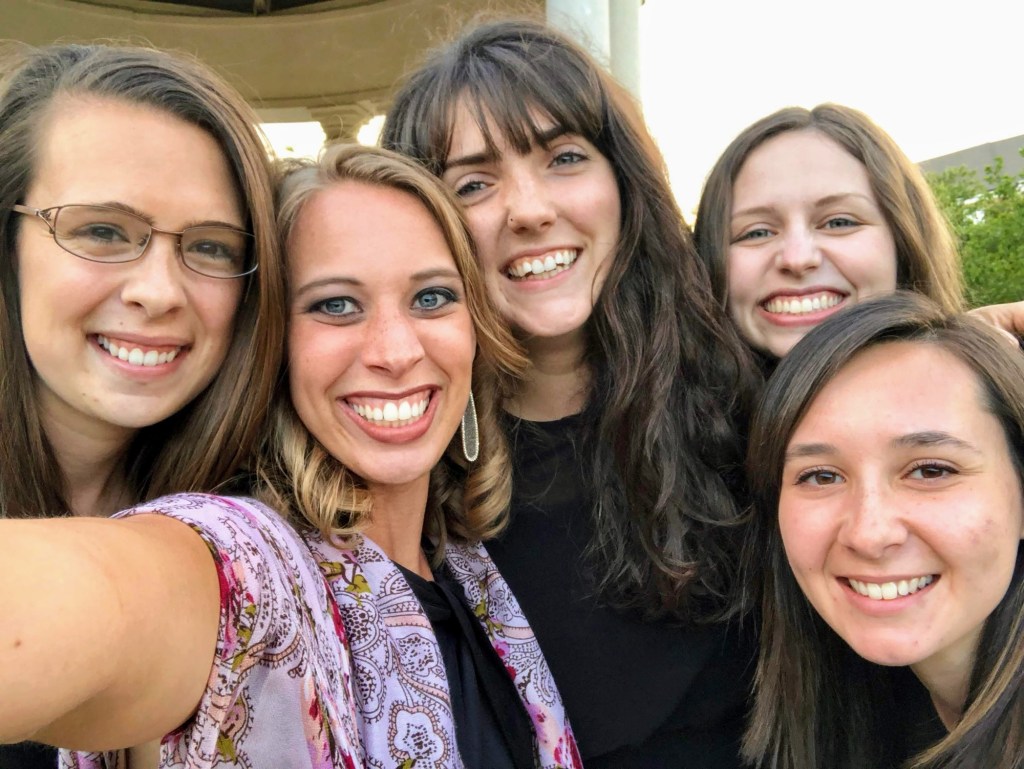
Some of those same friends, Brittany and Ean and Lauren came back for the third time. They did everything for me… when I have done so little for them. They cared for my home, they cared for my family, they cared for me. So many more friends joined along the way — other friends in multitudes of states sent their support or show up, friends in Florida came to our aid as well.

* * * *

I had been looking forward to my thirties, begging to leave behind my twenties. If I’m honest, most days I really don’t want to be alive. I don’t want to do the basics of going to work, making dinner, keeping up with a home, and socializing. It’s not that I want to die, I just don’t want to live through this and through whatever else is next.

I thought in my early twenties that I’d made it through the worst of life, but it just keeps getting worse and the losses keep getting more painful. I’m the youngest in my family — I always assumed I’d be the last to die, but I didn’t think I’d lose so many so early and to such violent ends.

This week I’ve given up hope that my thirties will be any better than my twenties.

I don’t believe that life is good, but I’m starting to believe that it isn’t necessarily bad. There are many, many, many things and events in life that are bad, but that doesn’t mean life as a whole is bad. It’s not even neutral: life is beautiful, and it is a gift.

Despite everything, as I type these tragedies, I see the beauty of the friends who have shown up again and again and again. I haven’t been able to be that person to them, but they’ve been that to me. They have lived and loved and given and given — they have made the worst of my life live-able and bearable and beautiful. These and so many other friends… They have made life kind. They have brought healing.

When I see the beauty around me — in friendships, in nature, in kindness — it reminds me how much of a gift this life truly is. Awe prompts me to think of all Patrick and Mom gave up and all they’re missing out on.

While I may not have the energy or motivation to engage in basic life tasks, these things ground me. Maybe tragedy will continue to define each decade of my one wild and beautiful life, but as long as I’m living I know that more people will come alongside and join me in these tragedies, and that is a very beautiful thing.

Week 32

“This isn’t normal:” my latest mantra. “None of this is normal. Of course you’re not operating at 100%, of course everything is harder, of course little things stress you out, of course you’re not the best version of yourself. This isn’t normal.”

I’ve been chanting that to myself the past few weeks. It provides an avenue of self-compassion and understanding, I suppose. For whatever reason, it works.

It’s frustrating — always feeing like you’re only 10% of who you once were. Realistically, I’m a bad friend. I’m a bad manager. I’m a bad worker. I’m a bad wife. I’m a bad daughter. I’m a bad sibling. By bad, I just mean that I can’t show up like I used to or like I want to.

I don’t have the energy to, I don’t have the wherewithal to, I don’t have the ability to… and of course I don’t. Because this isn’t normal.

But then you feel like you’re bad at everything [shame]… so you withdraw from everything [because of shame]… and everything is oh, so isolating. Aaaand we’re back to being exhausted.

What do people expect from me? What do friends expect from me, what does my job expect from me, what does my community expect from me?

Sometimes they say they don’t expect much, but that’s just not realistic. People expect me to function somewhat normally, and I just can’t. Why? Because this isn’t normal.

The thought helps me have compassion for myself and for where I’m at. The phrase gives me reason to be proud of myself for all that I am able to do.

This grief, it’s stolen so many years from my life. I’ll have to devote decades to healing and surrender decades to simply not operating at 100%, and that sucks. It just sucks.

I mourn that, too. I mourn my limited capacity. I mourn my shame-filled inability to show up for others.

I’m so tired. I am so, so tired.

God, I hate this.

Week 30

I’ve written over 60 posts since my Mom ended her life, and maybe a handful of them have alluded to other people. I try primarily to write about my own experience, but some dramas obviously include my husband, dad, and siblings. I work not to tell their stories, though our stories are intricately untwined, but their stories are their own. Their experiences are their own: their own stories to share, their own experiences to suffer, and it’s not my place to create memoirs of their lives.

However, today is different.

I dedicate today’s post to my Daddy 💙

My Daddy, who’s had to endure what no one should endure. My Daddy, who’s had to be too strong his entire life. My Daddy, whose life has never been easy. My Daddy, who’s lost a son. My Daddy, who’s lost his partner and best friend. My Daddy, who’s fought his whole life to create a better life for his family, but whose family betrayed this life.

This weekend is my parents’ anniversary. It was Wednesday this week before I realized just how much that fact stings me. I know it’s agonizing for my father.

I journaled a few weeks ago mourning the loss of both my parents. I miss when I had parents, now I just have a parent and my parent is having to reinvent himself because my mother left us without warning. I love my Daddy, I love every version of my Daddy, but I miss the version of my Dad that had my Mom.

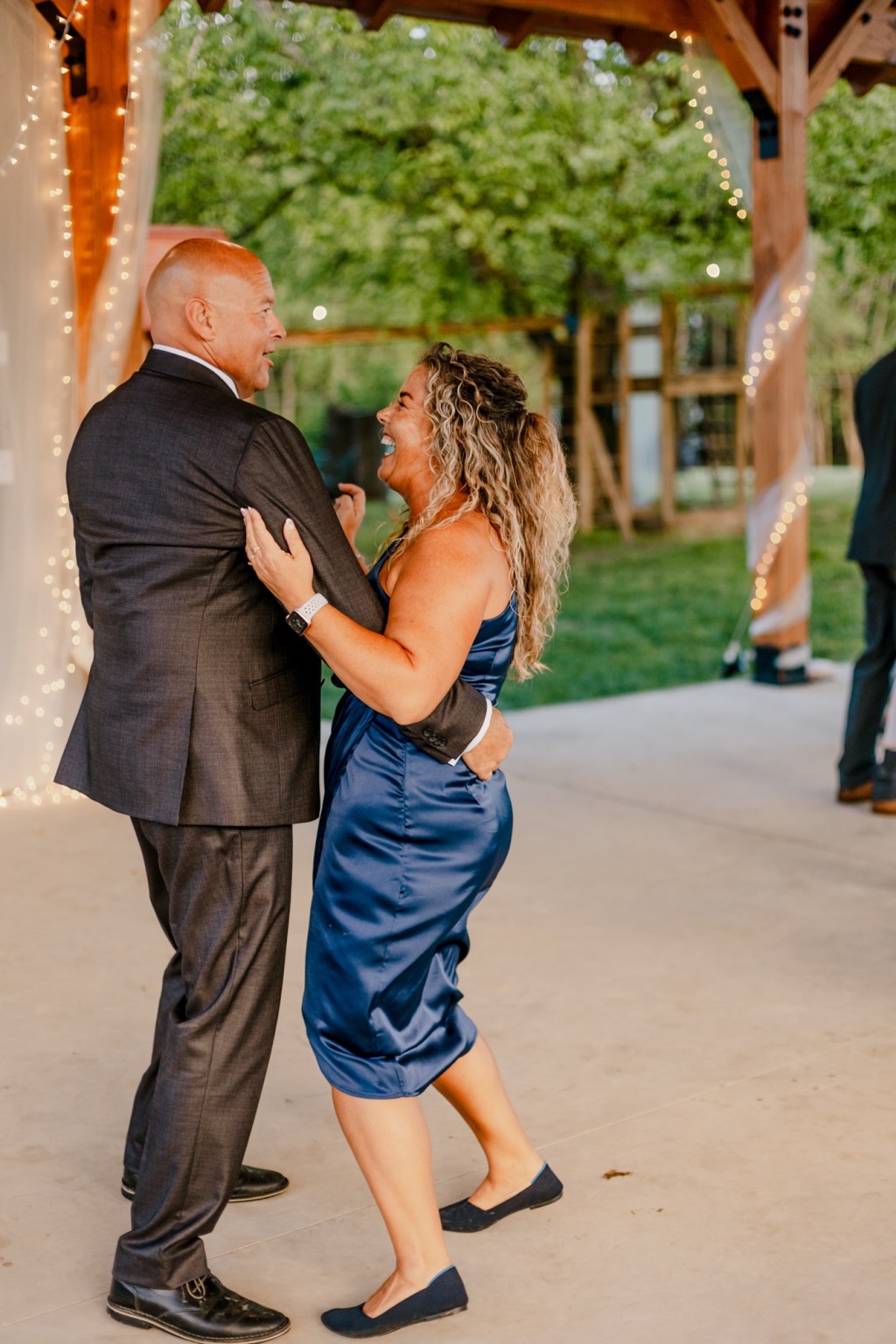
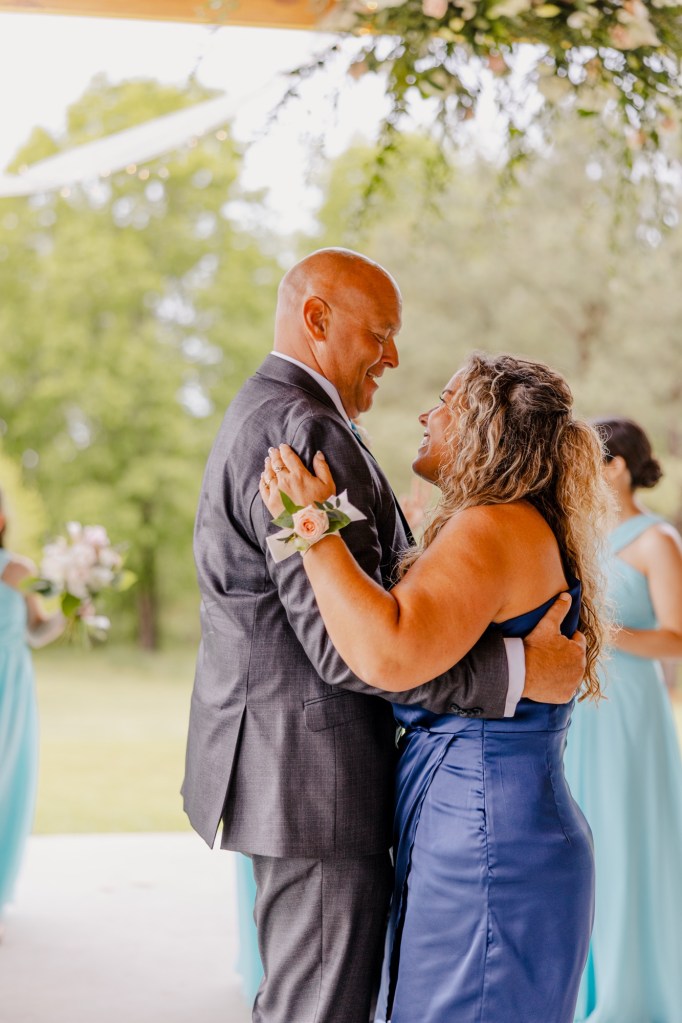
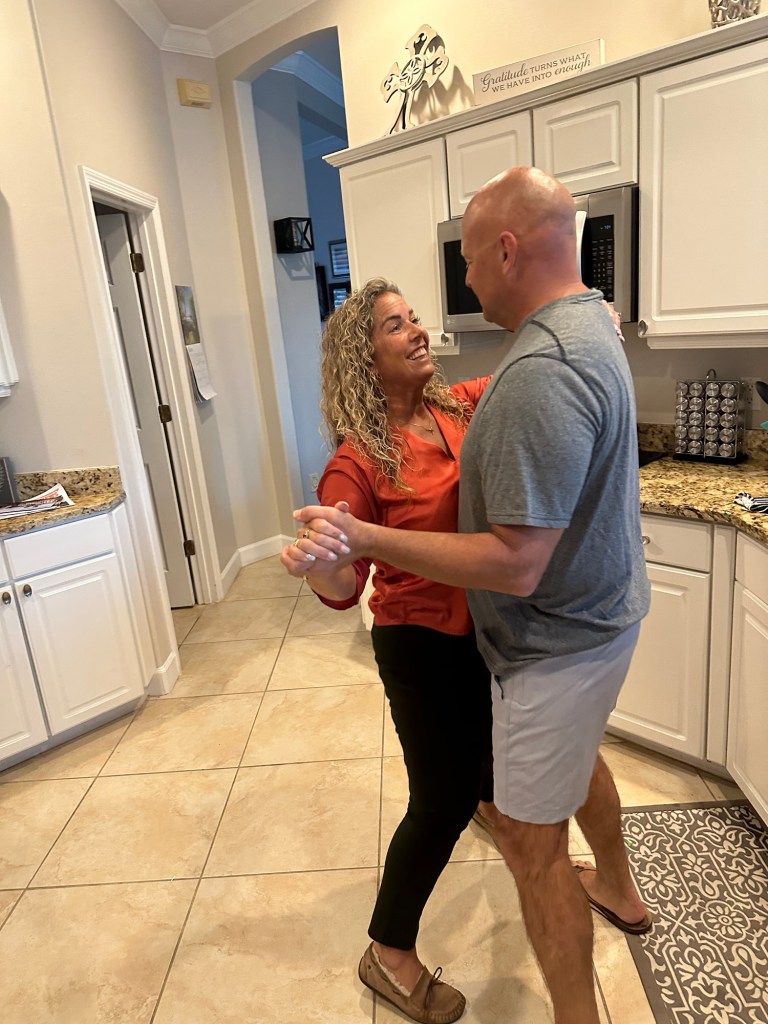
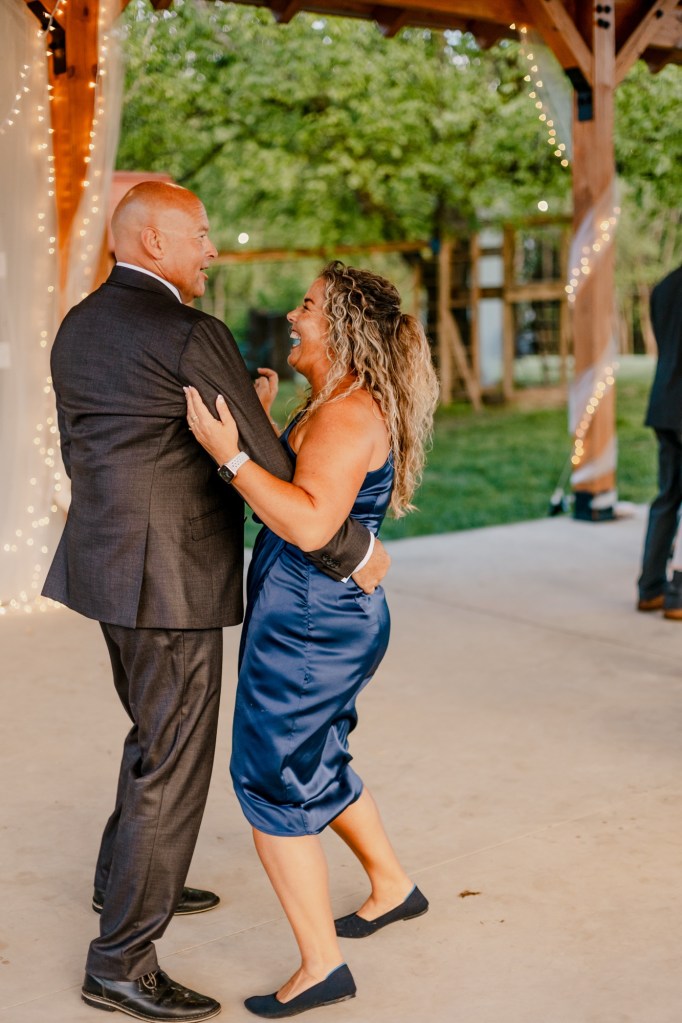
I miss the security of having two parents who loved each other so deeply. I miss them randomly dancing with each other in the kitchen. I miss their adoring eyes. I miss their fun. I miss their smiles, I miss their joy together. I miss their partnership. I miss admiring them. They endured so much together — always together — they loved to be together. My Mom used to say that being apart for my dad for more than a couple days was agony, especially after my brother died. They helped each other. They loved each other. I mean, they really loved each other.

Together, holding hands, laughing, sharing, just being together. They could do anything together.

Together, they build a beautiful life. They raised a beautiful family. They helped us children through tragedy after tragedy. They cared for us during all seasons. I miss that, I miss them. They seemed to have every answer in the world — not proudly, not that they told us every answer in the world, but that they simply lived a life that testified that anything could be conquered and endured together.

But now here’s my Daddy, my wonderful Daddy, mourning his wife on the anniversary of their beginning. The anniversary when two names became one, and my mom was crowned with a new name and a new life.

They escaped the turmoil of their upbringing and built a beautiful life for each other and their children. A life built on love, centered around family, and upholding the strongest foundation any child could long for.

I love my Daddy.

I’m grateful for this life he curated for me and my siblings. My brothers have a strong and beautiful sense of family that we inherited from my Daddy. Family has always been the most important thing to my Daddy, he sacrificed so much for us.

He’s the best Dad in the world. He always has been. I’ve never seen someone so kind, tender, and loving to his wife like my dad was to my mom. I love spending time with him, I love living near him, I love working with him. I love that he’s my Daddy.

I love his depth, I love his beautiful mind. I love his realism and his commitment to continual growth. I love his vulnerability and honesty. I love him. I love him so much. I love that he always helps me, I love that he listens to me and speaks life and truth into me. I’m so grateful for my Daddy. He’s the best.

I’m so sorry, Daddy. I’m sorry you have to live through this, too. I know Momma loved you. I’m so sorry she left us when she was unwell. I know you would have done anything to prevent this. None of this is your fault, Daddy. I’m so sorry for all the hurt and pain and wrongfulness that has come since her death.

I love you, Daddy. I’m so sorry that every day without Mom sucks, and I’m sorry this weekend amplifies that pain.

I’m so proud of you, Daddy. I’m so proud of your battle to continue living each day. I’m so proud of you for doing the hard work of healing each day. I’m so proud of you for being my Daddy. I love you, always. I love every version of you, and I’ll always love you.