When you lose someone, loss tends to multiply all around you. There’s the one massive loss followed by a series of losses that convolute your grief and make it all so difficult to process.
There’s the drama, the unexpected twists, and the complications you would not expect. There’s blame, stigma, and criticism waiting to greet you at every turn.
And, oh yeah, there’s the fact that you lost someone.
The initial months of grief bring triggers you don’t know you have. One day, I’ll get used to them and have a better idea of what will cascade in outbursts of tears or uneasy anxiety, but for now, it could be anything.
So much feels stolen when someone dies. Suddenly Mom dies and my whole relationship with her is available to the watching world. People are drawn to chaos and redemption: some turn away because it’s too painful to watch, while others lean in and hope to see a brighter day.
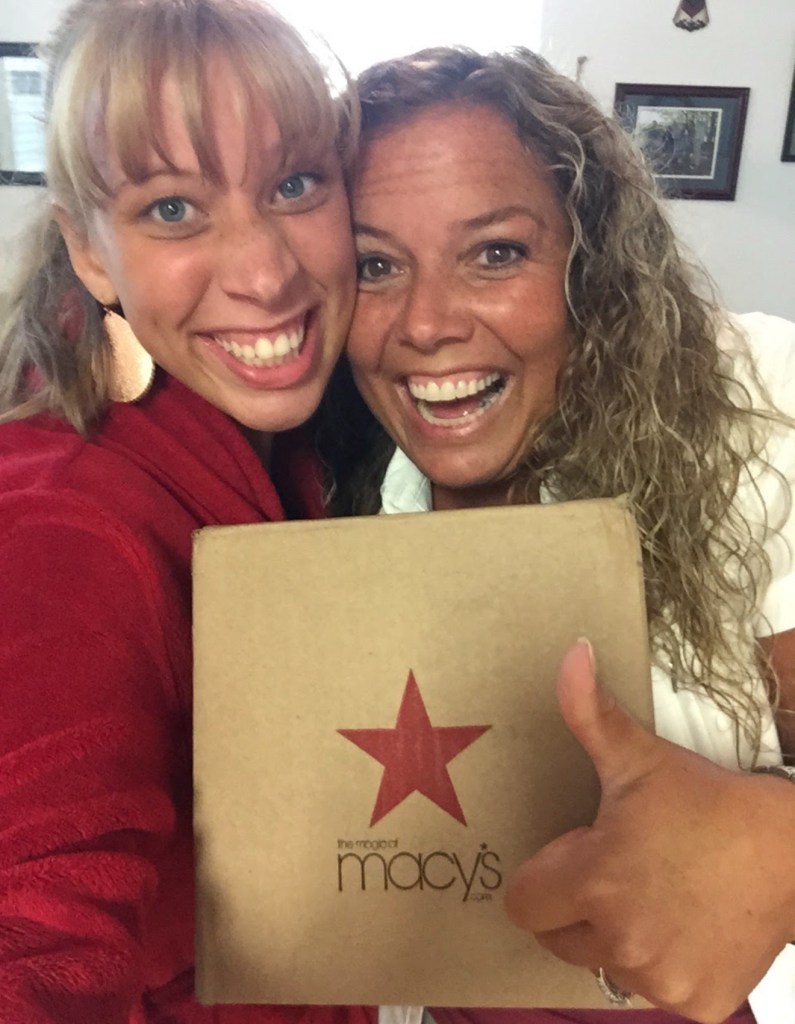
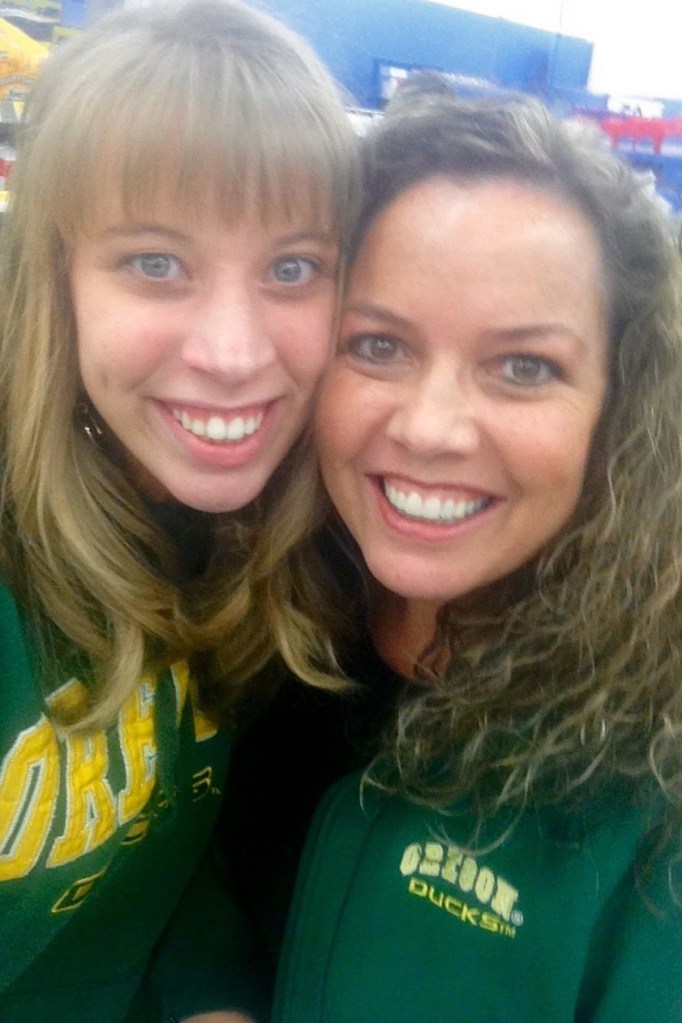
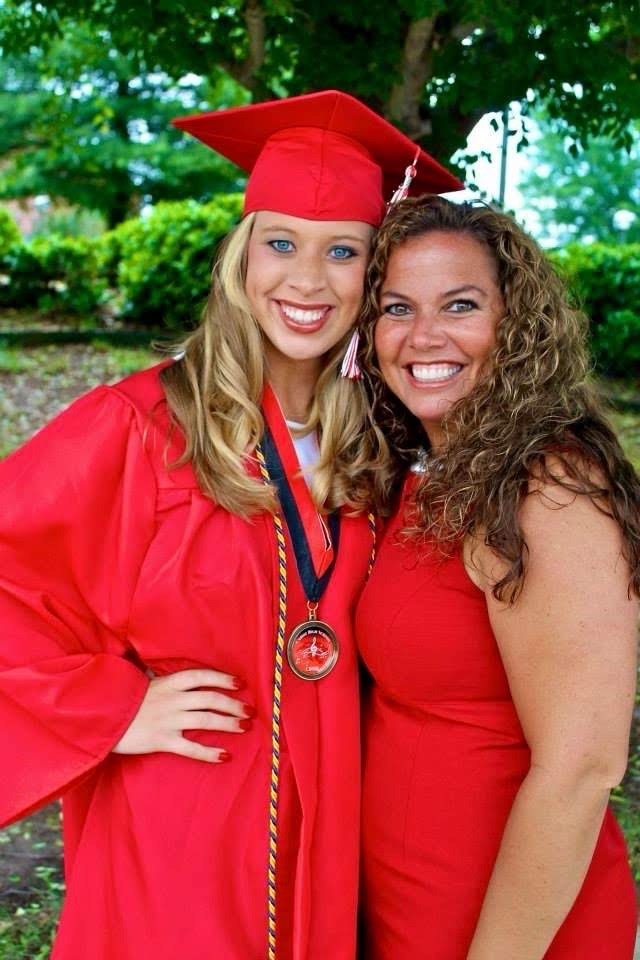
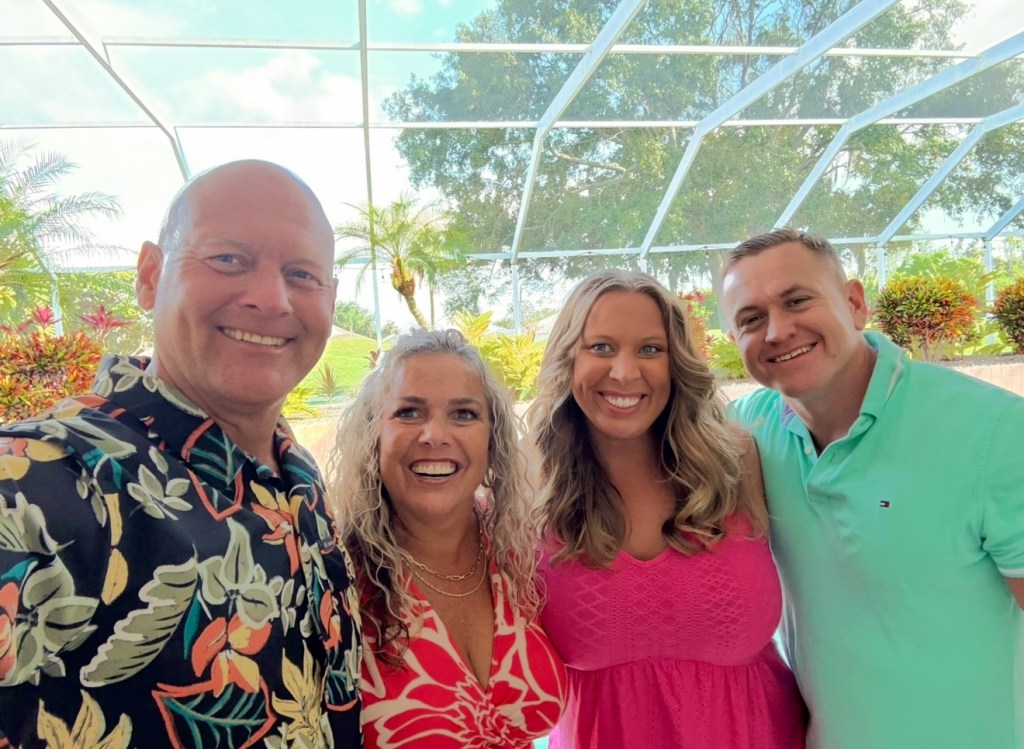
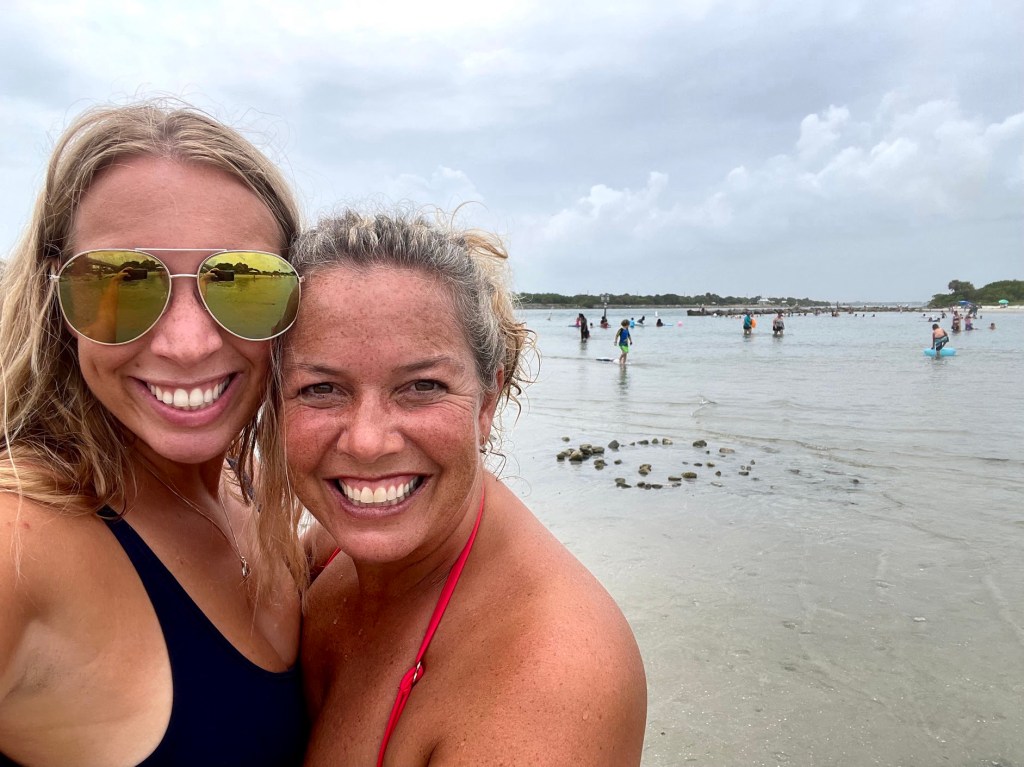
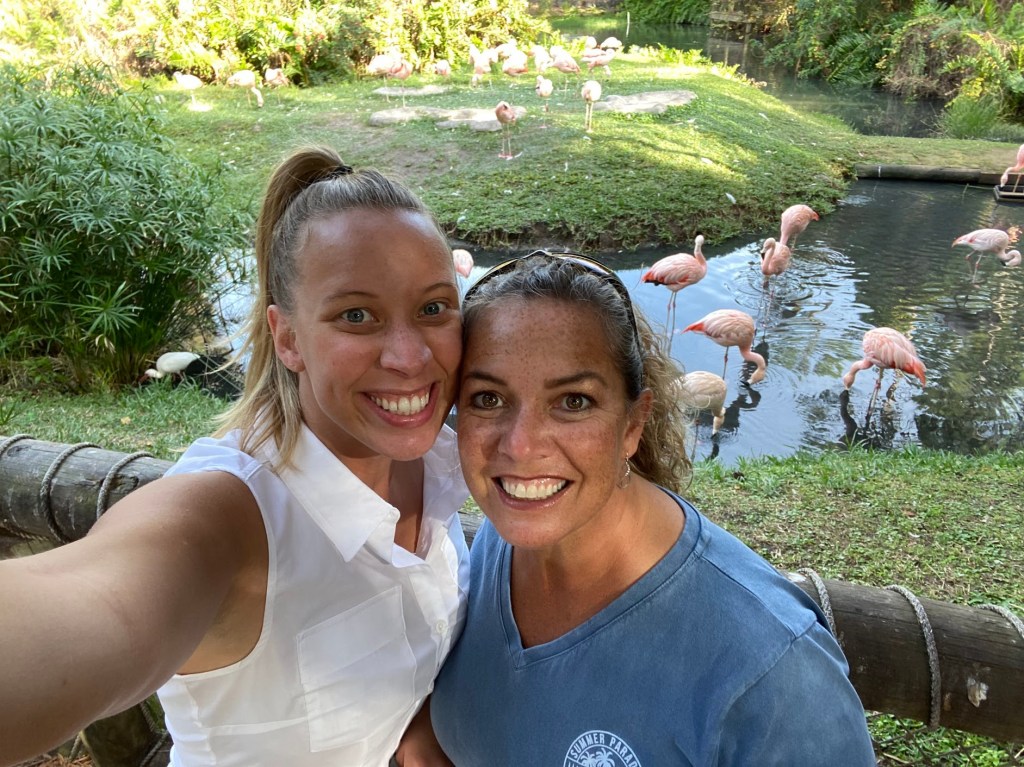
Today, I remember our smiles. I remember my Mom’s beautiful enthusiasm and I remember us rejoicing together, enjoying one another’s companionship. I remember her warmth and endless laughter, I remember her closeness, and I miss her.
I write, with a pit in my stomach, dryness in my mouth, and fear behind my eyes.
For years, I’ve dreaded this month. It’s a month where I felt so invisible and so abundantly reminded of my own pain. No one really cares about awareness months, except the people whose lives they reflect. For suicide survivors, it’s a tiny little broken community, screaming out in the darkness. It’s not like heritage months or LGBTQ+ months or even cancer months, which all seem to have so much support.
Of course, I have been well aware of Suicide Prevention Awareness Month, but it felt as if no one else really was. September meant annual Suicide Prevention trainings at work, where I’d cry to myself at my computer-based trainings, or fight not to weep during the in-person HR trainings where no one else was affected… except me.
Quite honestly, Suicide Prevention Awareness Month feels like a giant shame-fest for survivors. “These are the signs,” the trainings warn. Only, the thing is, we can see all of the signs, take all the right actions, and people can still end their lives.
So I sat isolated in trainings, and reflected on all the help we did get my brother Patrick. All the signs we did see. All that we did do.
I reflect on my last conversation with Patrick, when he told me “Hopey, you’re my hope. You make me believe that we’ll really beat this.”
This is the first year that it seems other people are aware of Suicide Awareness Prevention Month: it fills my Facebook and Instagram content with posts of warning signs, of fundraisers, of hope, and of so much sadness. It’s strange, and it still feels so icky.
For my Mom, there weren’t signs. It’s a terrifying reminder that, if someone really wants to die, he or she will ensure that we can’t stop them.
Where is the hope in that?
I’m not sure. I’m not so sure there is any hope to prevent suicide. For now, you can hope for me, and maybe I’ll find hope again someday.
What I do know is that this world was a much brighter place with her in it, and the world is a much brighter place with you in it, too.
Check out this link if you are interested in supporting Brevard County’s American Foundation of Suicide Prevention (AFSP) Walk.
I began writing these posts to bring awareness to grief, loss, and surviving suicide.
I lost my brother to suicide when I was 21: back then, very few people in my life had experienced any type of familial loss. I lost my mother to suicide when I was 27, and, still, few people in my life have experienced familial loss.
A majority of people my age haven’t experienced loss, and a majority of people who have experienced loss have not experienced suicide.
Most people reading these posts know me and my family, and have thus now been affected by suicide.
These posts are meant to bring awareness and to highlight a community of mourners. I try to write about my individual experience with grief and it seems that many have found solace and community from these words.
A few weeks ago, I wrote how many have experienced me at my worst while I have experienced them at their best — their tenderest, their most thoughtful, their most considerate, their most generous. It has been beautiful to see people show up for me and my family.
I would be remiss not to mention how this brings out the worst in us, too. Unexpected loss makes people quick to anger or irritability as the brain tries to process a world that no longer makes sense.
Suicide loss forces people to try to find meaning behind a senseless and terrible loss, and this can turn people against one another in the vilest ways. Endless questions of Why did she end her life? exhaust survivors’ minds and, too quickly, the community that should rally to support one another the most instead turns on each other.
In trying to find meaning, survivors can all too easily blame one another — It must have been her job stress. It must have been the church. It must have been her family. It must have been her parents’. It must have been her kids. It must have been her spouse. It must have been her sibling. It must have been her friends. It must have been myself. You should have seen the signs. I should have seen the signs.
Do you see how damning those statements are?
Damning.
Those statements destroy, and, yet, those who should support one another the most can viscously accuse one another with similar statements.
People think it. Some people say it. All survivors feel it.
The truth is that all of this is horrific. The truth is that no one on the planet wanted this. The truth is that any of us would have done anything to prevent this outcome. And yet, people still whisper accusations about survivors and can scream them at her closest friends and family members.
Nobody wanted this. Nobody caused this. Don’t blame her community. Don’t blame her friends. Don’t blame her family. Don’t blame yourself.
Don’t add more hurt to the most painful situation imaginable.
This has been one of the hardest weeks to get out of bed. Perhaps it’s a mix of jet lag, allergies, and grief. Perhaps it’s simply reality sinking in deeper and deeper as the days pass away, each new day taking me farther away from my mother.
I woke up at 3 am other day with the slightest fever and spent the next few hours weeping and feeling the weight of this catastrophic loss. I want my Mommy, I yelped again and again and again. She always made sure to stop by if I was sick, even if it was just for a quick hug or to play with my hair, but mainly just to make sure I was okay. She’d bring medicine, ginger ale or Gatorade, maybe some soup, and all the compassion in the world.
But no more Momma.
I’ve gotten out of bed every day since she passed. I’ve brushed my hair and my teeth each morning and each night without fail. Last week, I finally started putting some jewelry on… it’s funny the little things you do or don’t do in deep grief… but this week I have not wanted to get out of bed at all.
Several grief books discuss the experience of derealization and depersonalization — the out-of-body feeling where one can’t ground himself/herself to the present moment. The sense that the griever is observing oneself from outside his/her body, feeling robotic or numb. I find this occurring most often in large groups and, hence, I am a bit uncomfortable and almost alarmed amidst them. These group activities become a source of anxiety and tension, where I end up spending an inordinate amount of energy on pretending to be normal or pretending to have fun.
The good thing about pretending, though, is that it can often result in positive experiences, but at the cost of an exponential amount of energy.
I think I am pretty spent from the few social activities I have mustered the courage to participate in. I’m not quite sure how one finds balance in this. Maybe I need to plan more one-on-one activities with patient listeners, eager to indulge me with their empathy and kindness. Buuut scheduling that is exhausting, too.
Thus, in the end, everything is simply hard. So excruciatingly difficult and sad and painful.
I’m still getting out of bed, I’m still brushing my hair and my teeth each morning and each evening, but this week it’s seemed to require so much more from me than past weeks.
Friends have done their best to help ease the suffering and mental load, showing up with kindness by bringing me soup, dropping in just to give me a hug, and so much more, and I’m so grateful for that. More grateful than I can probably communicate, but…
It’s a living nightmare, and that’s the reality of living with pain that cannot be fixed. Time and new memories will heal, but not today, not this week, not anytime soon.
Traveling while grieving can become a sick game of “how many places can I be sad in?” Each new experience serves as a reminder of how I can never share any of this with my mom.
Grief mutes the senses and dulls the atmosphere. It prohibits its host from experiencing anything to the full. The infamous brain fog clouds everything one’s eyes behold and rains on the memory of one’s memory newest experiences.
Traveling is helpful, I suppose, in that it requires a massive amount of focus from one’s mind — one must keep moving, walking towards the goal of his or her next destination. One’s loss can’t be at the forefront of the mind when navigating unknown places, but the ache is there. It’s always there.
Death is such an unwelcome visitor, knocking on the doors of our lives and bursting them open despite our protests. Illnesses can creep in to poison’s one’s life, accidents can wreak havoc and destroy life, wicked people can barge in and steal life, but what is this?
What is this?
How terrifying that one’s own mind can betray itself and create death in a most unnatural way. How terrifying that we can’t even see it coming.
And then there’s the stigma: Stigma about grief, stigma about suicide, stigma about mental health, and the deep shame these stigmas create for people who struggle and for survivors left behind by those who lost the battle. Stigmas that prevent people from getting help. How can one reach out for help when everyone around them expects to have the answers?
Our church did not/has not publicly acknowledged my Mom’s death — my mom, a highly influential staff member of the church. What type of message does that send to the stigmatized? What message does that send to the thousand who attended her service and who are in deep mourning?
Maybe they don’t address it because they’re terrified of it, too. Silence always helps, doesn’t it?
Ignoring problems never makes them go away: Silence simply suffocates the suffering, and stigma shames them into solitude.
There should not be shame in “having demons.” Life is abundantly difficult and misery isn’t something to be ashamed of. There should not be shame for having a good life and still struggling with terrible intrusive thoughts. You should be safe to voice that. You should not be shamed or silenced for voicing how horrible life can be and how tormenting your own mind can be. Even God acknowledged that it was not good for man to be alone. Even Jesus acknowledged that life is troublesome. Even Jesus asked for a different way out.
I return home from a trip I aimed to keep very private — there’s a comfort in enjoying quiet and hidden moments after the world discovers something so deeply personal out about one’s life — but all I can think of is the fact that my Mom won’t be there when I get home.
She used to say that she couldn’t wait to get home after traveling because “there’s no place like Florida.” She loved its warmth and its beauty and its vibrancy. She loved that it was home, and she built her home in the loveliest ways.
I can’t reconcile how someone who loved life so much, and who loved me so much, could execute the cruelest action against all that she loved.
I wish she thought that she could get help. I’m sickened that she couldn’t verbalize her struggle. I hate the stigma, I hate the silence, I hate the finality.
If you have ever — ever — ideated, please speak out. Seek a professional counselor and share your ideations. Don’t let shame kill you. Don’t let shame destroy everything that you do love in life.
Be there when someone gets home. Be there when your friend gets home. Be there when your family gets home. Be there to welcome your loved one back. Don’t let stigma take that from all of us.
I’ve been dreading this day for the past six years, since my four year old nephew looked up at me and said “28. Hopey, are you going to die when you turn 28?” Because his uncle, my brother, died when he was 28 and that didn’t make sense.
I’ve called it my “Patrick Birthday,” and I knew it would be difficult, but I never imagined it would be this terrible. A few months ago I imagined the birthday as a source of solemn strength to mark how much I have grown, and to mourn that I would now be “older” than my oldest brother. That alone would have made today painful.
I’ve been dreading this day, and I’ve been mourning it all month.
Birthday.
I used to thank my mom each day on all of our birthdays, praising her for the fact that it was her birth day — the day she did all the work and a day that changed her life immensely. I just showed up.
But now there’s no Mom, and that sucks.
So many people want to celebrate with me, which is sweet and I feel loved, but I don’t want to celebrate. It’s difficult to celebrate with sorrow seeping from your eyes.
Mom made each birthday so special. Most years, she made us us a delicious cake and made the day a big deal! She was a thoughtful gift giver and she was always so excited.
This birthday is special, I suppose, in a different way. It’s sacred: I’m surrounded by people keenly interested in trying to make my birthday magical and sweet, perhaps more so than I have ever experienced before. It’s a day filled with love and gentle care and sweet reminders of my friendships and of those who love me. I won’t forget this birthday, and I will remember all the beautiful acts of kindness so many people have bestowed upon me.
It’s my Patrick birthday. I am 28. I feel old, though so many people still tell me I’m such a baby, ha.
One day, I’ll probably have a Harmony birthday. I’ll turn 51 — “fifty-fun” as we briefly called it — and I’ll be older than my mom. The solemn knowledge of that pains me. I’m not yet ready to be excited about the future, but today I do have hope.
I am loved, I am seen, and there is life and goodness all around me.
One day, I’ll be able to participate and experience the fullness of life once more. Today reminds me that life is a gift, that I am loved, and that the sun still shines.
Thank you to everyone who’s making today special 💙
2019 – Patrick’s 28th and Final Birthday2024 – Hope’s 27th Birthday, My Last Birthday with My Mom2025 – Mom’s 51st and Final Birthday“Fifty Fun”2025 – Hope’s 28th Birthday
I know pain, I know it well. I am friends with sorrow and companions with anguish. I’ve made a home with sleepless nights and solitary mornings. My eyes sore and strained, my lungs feel heavy and weak.
I have known sorrow for years, it has always been with me. It resonates throughout my mind, into my chest, and it overflows from my eyes.
I was just getting used to happiness. Laughter and joy, for what felt like the first time, finally took residence in my soul. I was healing, I wasn’t afraid of the worst case scenario anymore. I felt freedom and the good gifts I had, I felt plenty in my abundance, I felt safe with my family.
We were building a home here, we were building a life here. Our days were filled with sunshine and laughter. My only concern was what joyous outing we would participate in over the upcoming weekend.
I thought we were in this together.
I thought we loved this life, and maybe we did. I thought we were all healing and moving forward after catastrophe. But while I flourished, part of her soul was dying.
She couldn’t tell me, she couldn’t tell anyone. That will never make sense to me. That will always haunt me. That will always terrify me.
Some days it feels impossible to truly smile. How many days did she feel like that, too?
Every day of this nightmare, it’s like I discover something new. Something new about my Mom, something new about my reality. I’m forced to process a complexing piece of information day after day, thought after thought, moment after moment. It’s exhausting. It’s haunting.
Maybe ghost stories were never really about apparitions but about the horrors left behind by the deceased. The painful thoughts they force you to think, the painful loss you have to shoulder. The painful dreams that wake one up in the middle of the night. I feel haunted by my mother and haunted by her actions.
I can’t feel a mother’s love from the grave. Not like this. Not when she leaves me with all this. All I feel is the pain and abandonment from being left behind.
The saddest part is that she never would have wanted that, but she doesn’t get to influence or comfort me anymore.
One sentence has flurried in my mind since I read it Wednesday:
Perhaps I did not deserve their deaths, but I did not deserve their presence in my life either.
Jerry Sittser, A Grace Disguised.
It stings. I don’t like it. But, but, but. But perhaps it’s true.
From my point of view — a 27 year old woman, a sister and a daughter survivor of suicide who has always love my family deeply — it’s incredibly tempting to submit to cynicism. Thoughts like Nothing I did mattered flutter through my brain. It didn’t matter if I was the best daughter or the best sister in the work, they still left. The sad part about that thought is that it’s entirely true.
I’m sure many are thinking similar thoughts… if I’d only… if I was a better _______ … I wish I would have… the list goes on.
Suicide tends to reverberate guilt throughout its affected community. The truth is, you could be the best mother/father, husband/wife, brother/sister, son/daughter, or the best friend and this nightmare could be your reality, too. Chances are, if you’re reading this, you are and you were — you were a good _____. In fact, you were probably great. Odds are, you loved my Mom well and you laughed together often. And yet…
The thought Did any of it matter? haunts me once more.
I loved my Mom… did that matter? I was a good daughter… did that matter? We loved my mom. My entire family loved my Mom deeply. Her community locally and globally loved her deeply.
Oh, this shattering outcome makes it too easy to believe that none of it mattered.
“Why don’t I get to have a Mom? I loved my Momma,” I sob endlessly to Scott (thanks, honey).
Then I despair that it feels like none of it mattered. That’s an incredibly easy lie to believe until someone knocks on my door to bring us dinner. Until we check the mail and have letters and packages from friends we haven’t connected with in years. Until we read the text messages. Until we feel the warmth from your embrace. Until we hear the care in your voices.
It did matter. It does matter. All of it mattered. Your kindness matters, your help matters, your love matters. It’s easy for me to believe that nothing I do matters, until I receive boundless kindness from those around me and I experience comfort and healing from each little act of kindness and care. That matters to me, and it reminds me that what I do does matter, and that what you do matters, too.
The sorrow that I dreaded has made its home in my heart, where it will forever languish.
I am so sad, forever.
Perplexing thoughts cross my mind and the minds as many as people try to make sense of this situation, but it is truly senseless. My mom’s death highlights mental illness — mentally sound people do not and cannot end their own lives. There is no reason, there is no “why,” there is nothing to blame or to conclude about this situation other than the advancement of mental illness. My mother hid it extremely well. She knew well what mental illness is, and perhaps she did not realize the depth of her own struggles until her mind was too impaired.
She didn’t do this to us, she didn’t do this at us, she didn’t do this in spite of us.
There is much we don’t know and won’t understand and to a point, it doesn’t really matter: nothing will bring her back.
My Mom’s death doesn’t forfeit her love, it doesn’t forfeit what she believed, and it doesn’t forfeit all she strived to do and who she wanted to be.
In her right mind and in her fullest, she loved life. Her laughter filled the room and bellowed from every conversation. Her smile beamed brightest around her family and with her friends. She loved getting to discover the depth of others by asking provocative questions and teasing the answers out of one another. She loved Jesus and she wanted to experience the fullness of life that God promises here on earth (John 10:10). She was passionate about mental health and desperately wanted to see others healed on this side of eternity, and I think she believed that wholly for herself, too.
Mom fought a horrific battle that she could not share with us, and while that hurts us more than anything, these facts detail a torment she kept in the shadows. If only, if only she applied her studies and reached out in the way she encouraged others to do. Maybe she spent so much time encouraging others in the hopes that she, too, would find the courage to reach out.
She wanted to make a difference, she wanted to heal. She wanted so much from this life that gave her so much. Her life was beautiful and full of laughter and love, and, in her best moments, she felt that wholly.
My mom did not die because of any one thing: she died fighting an unspeakable battle, one we’ll never know how long she fought. This painful reality scorches my heart and sometimes it feels impossible to believe that my life is good and beautiful and kind, when all feels so dark and cruel.
But I know — I know, somehow, there is grace in this. My family and I have so much life left to live, and our lives will be filled with laughter and love and goodness and opportunity that we cannot begin to imagine right now. We are blessed. We are blessed with each other, we are blessed with our outstanding community who supports and mourns with us, and we were blessed with my Mom.
My Mom was a light and a gift that I will never have again, and her absence brings tumultuous tears to my eyes each day. While this is so dark, my Mom was not all of the light in the world.
I will carry this grief with me forever, but this sadness and this grief does not dismiss the many years of joy and abundance still to come.
Grief gifts us with a new understanding of God and life and the universe. It strips us bare of any preconceived ideas rooted in anything but truth, and the fire of affliction will bring about unimaginable glory.
Right now, it’s physically impossible for us to imagine or even desire a good life when my Mom was what made our old lives so good, but we will experience blessing and healing and a new good life.
Mourners temporarily lose the ability to reflect on the past and dream of the future. In his book A Grace Disguised, Jerry Sittser describes the sacred “eternal presence” of those who experience catastrophic loss: reflecting the past becomes painful for the grieved because of the multitudes of memories with their loved one, and, simultaneously thoughts of the future create pain because of the absence of their loved one.
In this prison of the present, grievers become sacredly aware of the ordinary and mundane. It provides a chance to slow down, evaluate priorities, and reconsider one’s life with the most basic wants and desires at the forefront of one’s mind.
Oftentimes, this accompanies a strong desire to be close to one’s remaining surviving family. This catastrophic grief provides the opportunity to shelter together and requires the bereaved to relearn how to exist with an “amputated self,” as Sittser describes. The “amputated self” describes the loss of identity that a mourner suffers — it’s questions about one’s identity like Who am I without my Mom?
Catastrophic loss quiets the background noise of one’s life. It destroys, entirely, the life we once knew and the life we once hoped for. In the initial months and years of catastrophic loss, it can feel impossible to believe that a good life is possible when the one who made life so good is no longer with us because we lose the ability to dream of a good life.
It’s the 29th day without my Mom. That thought sickens me. It’s an excruciating reality, and I still don’t want to believe it. I’m so sad that tomorrow is truly an entire month without her. I cannot describe how dreadful that feels. I just miss my Momma. I wish this wasn’t real.








 Exposed