Complex creatures, terribly complex creatures… Humans are terribly complex creatures. Complex, perhaps, to our own detriment, and yet perhaps complex to our own salvation, too.
We can smile while we cry, our eyes can dazzle while they feel dead inside. We can hide our true emotions phenomenally, and we can feel multitudes of emotions simultaneously. Sometimes we aren’t hiding — we simply feel two things at once: happy, sad, scared, excited, depressed, grateful, grieving.
Grateful. Grieving.
Thanksgiving.
Ah, Thanksgiving can feel antagonistic to mourners. We don’t need to be reminded of all we have to be of grateful for. We know… we simply hurt, more.
Gratefulness doesn’t erase pain, thankfulness doesn’t even ease pain. It can offer a different perspective while we suffer, but it can’t fix it.
Some things will never be fixed. Some things will always be broken. Some things will always produce pain.
Yes, I am grateful that my family gathered once more for Thanksgiving, but I’m not grateful for the absence I will forever feel during every holiday, every family gathering… everyday.
Terribly complex creatures. We smile with our eyes, we remember terrible things in our minds. We press on, we press on, we press on. We feel both, we feel nothing.
With our complexity we hide from one another. With our complexity we hide from ourselves. How terrifying detrimental this complexity may become.
My mother was like the sun, everyone felt how bright she shine. Her presence instantly lit up the room: she dazzled with light, warmth, and life everywhere she shined. Those closest to her orbited her and grew from her tender care, but they were severely scorched when our bright star transposed into a supernova. Our sun blazed and left us in ashes. What once brought warmth became an epicenter of frigidity. What once held life holds only withering dreams of what could have been. Our universe, once safe and secure, forever centers around a black hole.
* * * *
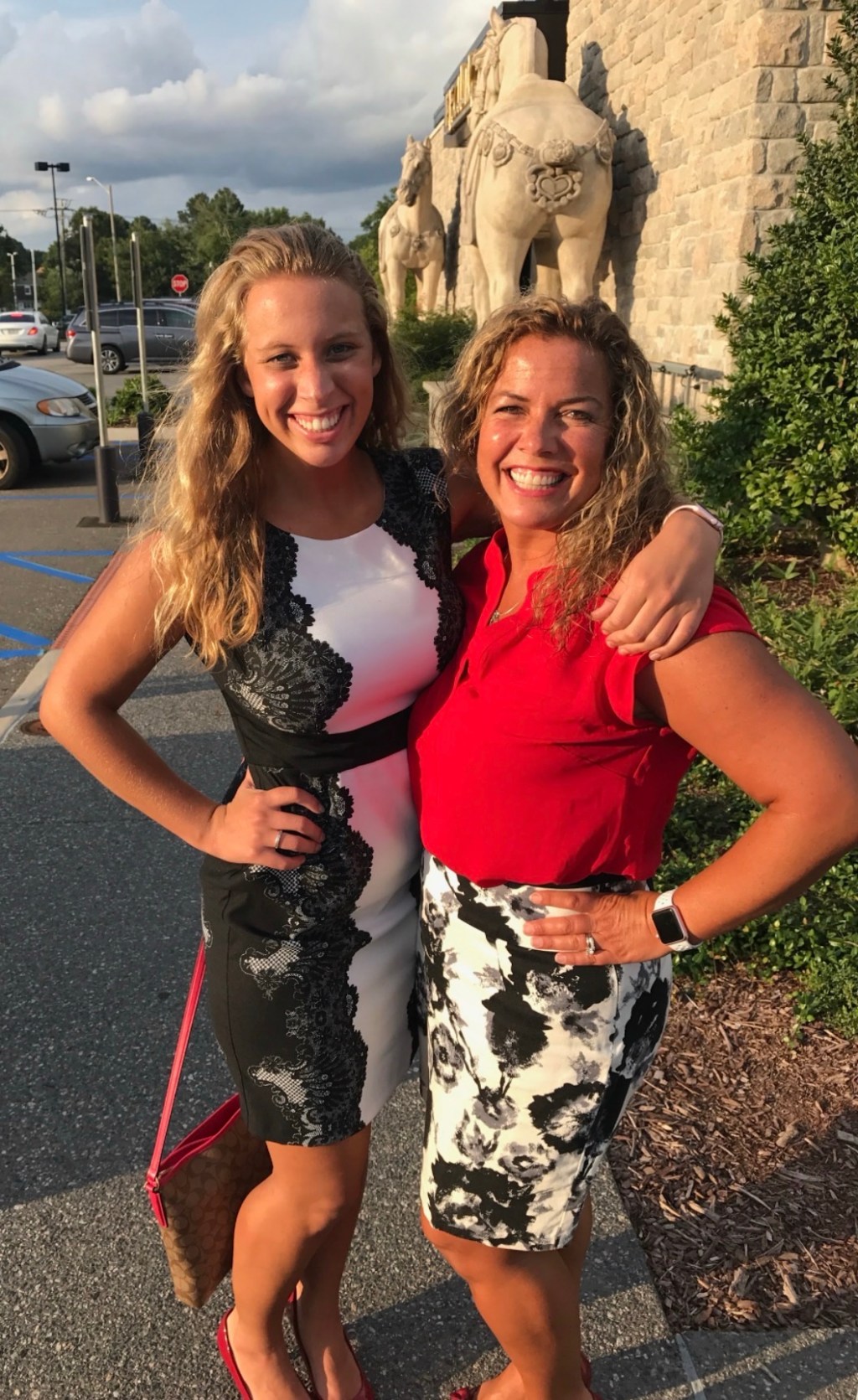
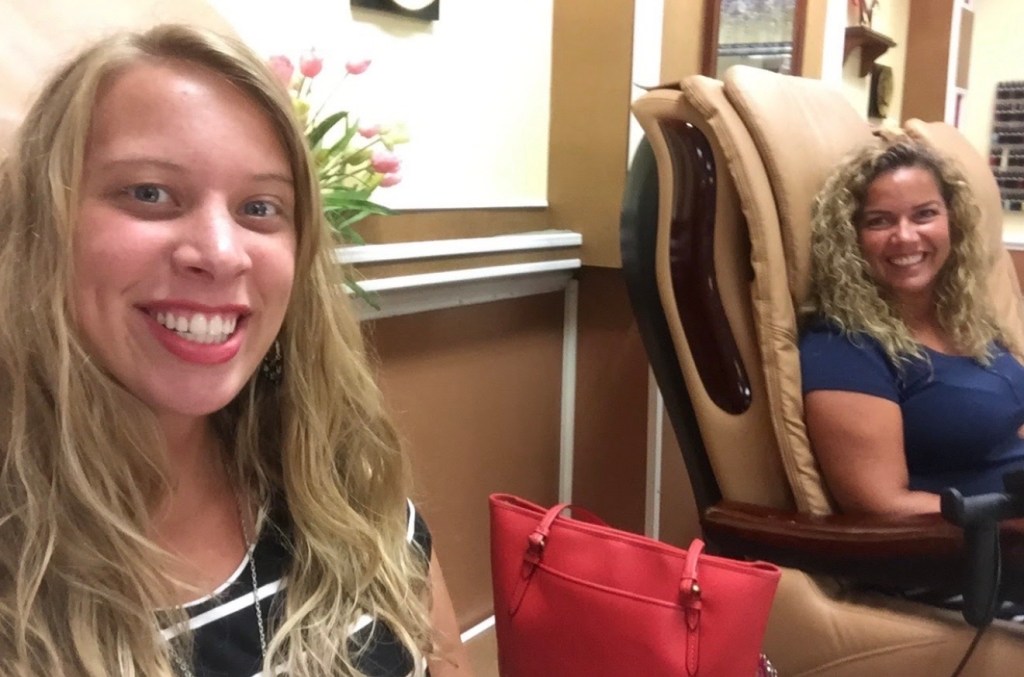
There are a few places where I feel my mother’s presence, or rather absence, most keenly. Places where memories implanted forever in my scarred mind. The spa by my home is one of these places — somewhere I can remember so well it’s almost as if she’s there. I see her in the lounge chair next to mine… only, I don’t. I see the empty chair, but her memory is so palpable I can vividly imagine her. It’s not just a spa anymore, it’s a sacred space where I once met my Mom, and where I wish so badly she was with me again.
In my mind, I imagine she’s with me. I pretend I see her smiling and welcoming me into the room, inviting me to sit with her. The sofas are so large that we sometimes shared one so we could whisper to each other. So, I imagine she’s here. I look at her empty seat and speak silently to myself “I love you, Mom. I wish you really were here with me.” I think, maybe she is. Who knows? So, I pretend she is. I carry on my empty conversation: “I love you, Mom. That’s all I want you to know.”
It’s a question my therapist often asks — “If your Mom was here, what would you want to say to her?” I cannot utter much get past “I love you, Mommy. I wish you were here.”
But today, I continue my imaginary chat. “We really were best friends. I should have told you that more often.” Maybe I did, I just can’t remember.
And I cry, and I cry, and I cry quietly to myself. Softly in the silent room of the spa, staring at an empty chair where I can’t actually see my mother. I imagine she gets out of her chair to come sit by me, I imagine she holds my hand, and I imagine she pulls me into her arms as I cry. She strokes my hair.
I imagine all of it as if it really happened. I imagine all of it alone. So quiet, so cold, so empty.
I rest my head in the gray lounge chair, as if the chair offers a hug. My imagination fades and only the simple chair remains, reminding me of my loneliness here without her.
And yet, despite the tears and heartache of that still room, it may be my favorite part of the spa because I can see her so well there.
Much has transpired over the past two weeks that will likely eternally damage my ability to trust. Losing a sibling will do that to you, losing a parent will too, and surviving suicide does that too.
As one begins to process suicide loss, the residual effects — all the drama that can occur — of surviving suicide continue to cause copious amounts of trauma.
Stigma: shame, disgrace, discredit, social unease, awkwardness, ignorance, isolation, blame.
Blame, such a nasty word. Such a damning attitude. Death is in the tongue, isn’t it?
Suicide destroyed the dead members of my family, blame destroys the living. Stigma surrounding suicide makes people awkward and afraid to broach the subject; their timidity influences survivors to believe the worst — “Maybe they aren’t reaching out because they blame us.” Maybe people don’t reach out because they think my family blames them.
How odd, how sad to blame the living for the choices of the dead.
When one survives suicide, the survivor “often feel[s] stuck in the trenches fighting a battle alone in a war they were thrown into against their will” (Kelley, 2022). The death is shamed, the survivors are shamed and can be judged for their behavior in the initial weeks of death.
She hasn’t been crying. He cried too much, he’s doing this for attention. We all know about that fight she had with the deceased, that must have contributed. Clearly their family has issues, they must be terrible. Did you see the way he looked at me? He was so rude. She didn’t answer my text message, she must not want to talk to me. Obviously her family didn’t love her. Obviously they did this to him.
Some blame in whispers, some blame in letters.
Honestly, it’s a lot harder to feel supported when people go out of their way to spread misinformation and conjectures throughout one’s community. That’s is happening to my family, that’s what is happened to me. Even with Brevard’s beautiful “Out of the Darkness” walk, the question taunted: “Are they here to support us or are they here to watch us and whisper?” I hate that I have to think that to protect myself and my family. I hate that, and I know many who love my family would hate that too.
I know people support us, but some of the people I thought would be our best supporters became our cruelest tormentors, while others became noticeably absent.
At a time when my family needs the most support, it feels impossible to know whom to trust. Too many have used information to hurt us or condemn us, too many have picked the scab around our lacerated hearts, and the blood trickles, trickles, trickles out.
Surviving suicide is a lot to process. Surviving various cruelties and disappointments after a suicide hinders that processing and brings more trauma to the survivor.
I just want to mourn my mom. How is that too much to ask?
There were so many things we were supposed to do together. There were things I wanted to show her, experiences I wanted to share with her, places I’ve gone since that I wish I could still bring.
And yet, we got to do so much together. We drove across countries and states, we got to live by one another as adults. We shared so much, but it’s all over and that hurts.
I’ll be wanting a little more of her for the rest of my life.
It’s October, which brings torrents of sorrows to my family but also holds birthdays of some of my most beloved people: my Daddy, my niece Klaire, my husband Scott, my Auntie Beth, my sister Carrie… which just makes October an emotionally complex month. Much to celebrate, much to grieve — an unending dichotomy in our lives.
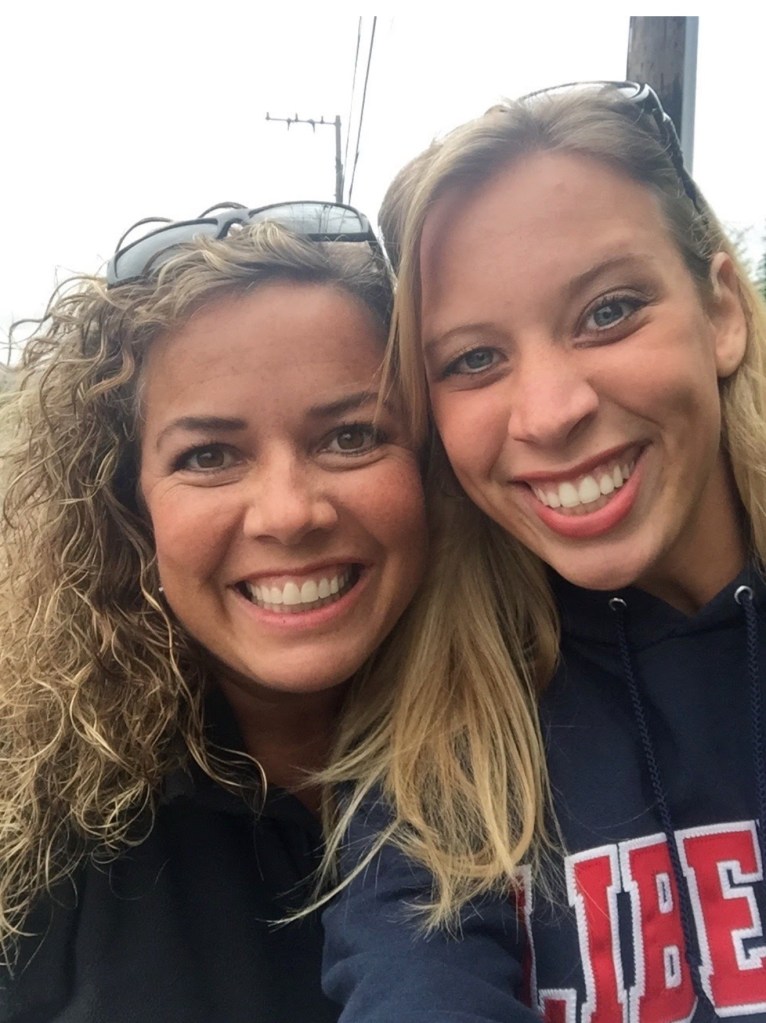
Mom was enrolled in a week-long intensive at Liberty University (my alma mater) taking place this October, and we talked about making it a girls’ trip. I haven’t been back to the university in years and Mom never attended a university in person. We were excited for the potential adventure… We never went on a girls’ trip with just the two of us.
A life cut short is so cruel. I’ve lost a lifetimes of memories that will never be made.
There’s the primary loss of my mother and the secondary loss of all the little things that died with her. Every book on grief will tell you that you will lose friends and people you thought would be in your life forever, but knowing that does not make it any less painful or shocking when it actually happens.
Grief can be incredibly isolating: in one sense, grief is as individual as the relationship, yet grief is public. My friends know, my coworkers know, strangers know. They know and they squirm.
Most close friends don’t know what to say… so they say nothing. Many fear saying something will make it “worse,” (which is nearly impossible)… so they say nothing. Many fear bringing it up will make me upset (don’t worry, grievers are thinking about it 100% of the time)… so they say nothing.
The hard work of grief support lies in entering into that awkward and sacred space and reaching through the silence. So much of grief support is simply companionship, simply bearing witness to a world torn apart. Entering this space requires bravery and delicacy, but it is fairly simple.
A fog follows me everywhere I go. It clouds my mind and wells in my eyes. You may not see it, but this invisible grief shouts in my mind at every moment of wakefulness and regularly infiltrates my dreams.
“I lost them, they’re gone.” Words hung in the atmosphere, taunting the waves, but it’s like she wrote them in the sand, and the waves were quick to erase them.
No one heard her. No one saw the words: they vanished from her.
She was silent, and her silence killed them all.
Once upon a time… she wept. She melted into the sofa and used a fluffed blanket to cover her untidy form.
She was so weak – she fell immensely weak. Her head throbbed, her eyes swam, her legs could hardly hold weight. If she stood, she knew she’d tumble. Words failed to form in her mouth. Her tongue was suffocating her.
How did she get here?
From a young age, she knew that life would break her. She should have been happy, and she was, but she was always waiting for the fallout.
Would she ever be happy?
— — —
I found that while skimming through one of my notebooks yesterday, and it felt like my past-self was writing and prophesying of her future self. The imagery and words produced an eerie sensations as I read them.
I had begun the arduous and laborious work of healing from several past traumas in therapy this spring, and the ruminations of my processing inked the page with my thoughts. How creepy, how sad to read now.
“I lost them,” but I had only lost Patrick at that point. “Her silence killed them all,” but only he had died at that point. Now, her silence did kill us all. She destroyed that part of our lives — her survivors entered a liminal space that day when our old lives died and when we were forced to rebuild after this nightmare. Each in progress, no one yet complete, but we’ll never be who we were before that terrible day. I don’t think she meant to do that, but her mind got the best of her, and her silence killed is all.
I miss my mom. I am in pain everyday. I am exhausted every day. I am resentful towards my exhaustion and resentful that I have a limited capacity for everything.
Grief is strikingly exhausting: I’m surprised every week how bone-tired I am by Thursday, but I was reminded by Megan Devine’s book It’s OK That You’re Not OK that this exhaustion is a normal part of grief.
Again, everyone should read that book because you will grieve and you will support someone grieving. It’s inevitable.
— — —
May your life, dear reader, be sweeter than nightmares. Yet when you enter that darkness, may you be supported and well loved, and may you have companions in your grief who lessen its suffering and show you endless kindness and compassion.
When you lose someone, loss tends to multiply all around you. There’s the one massive loss followed by a series of losses that convolute your grief and make it all so difficult to process.
There’s the drama, the unexpected twists, and the complications you would not expect. There’s blame, stigma, and criticism waiting to greet you at every turn.
And, oh yeah, there’s the fact that you lost someone.
The initial months of grief bring triggers you don’t know you have. One day, I’ll get used to them and have a better idea of what will cascade in outbursts of tears or uneasy anxiety, but for now, it could be anything.
So much feels stolen when someone dies. Suddenly Mom dies and my whole relationship with her is available to the watching world. People are drawn to chaos and redemption: some turn away because it’s too painful to watch, while others lean in and hope to see a brighter day.
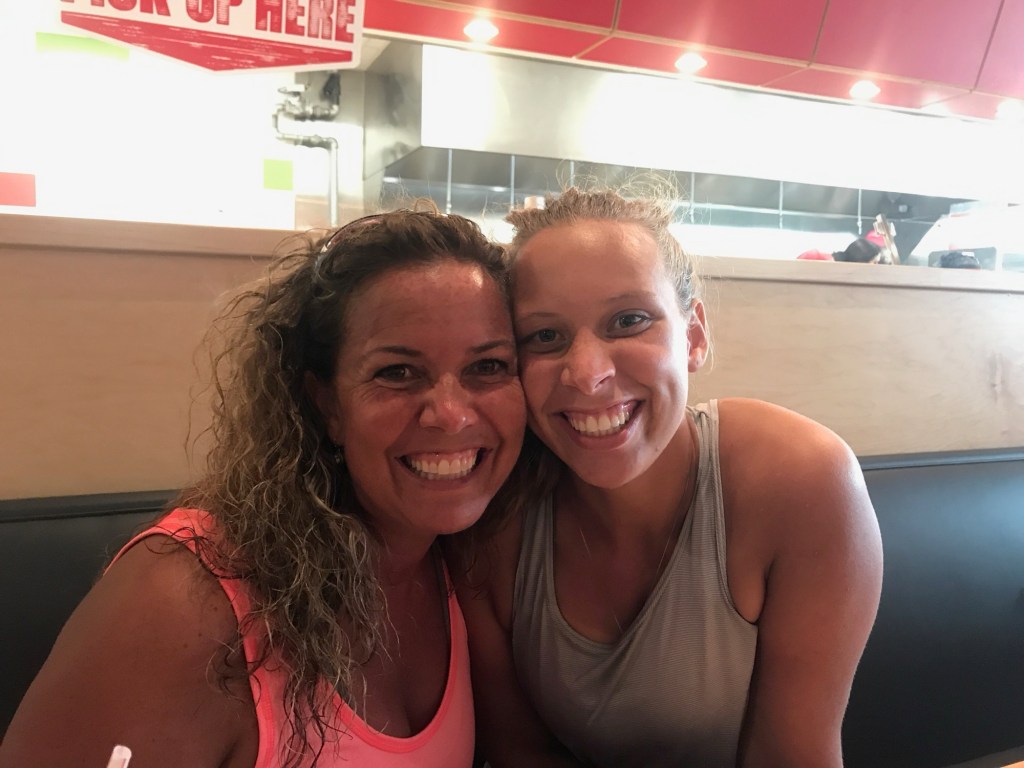
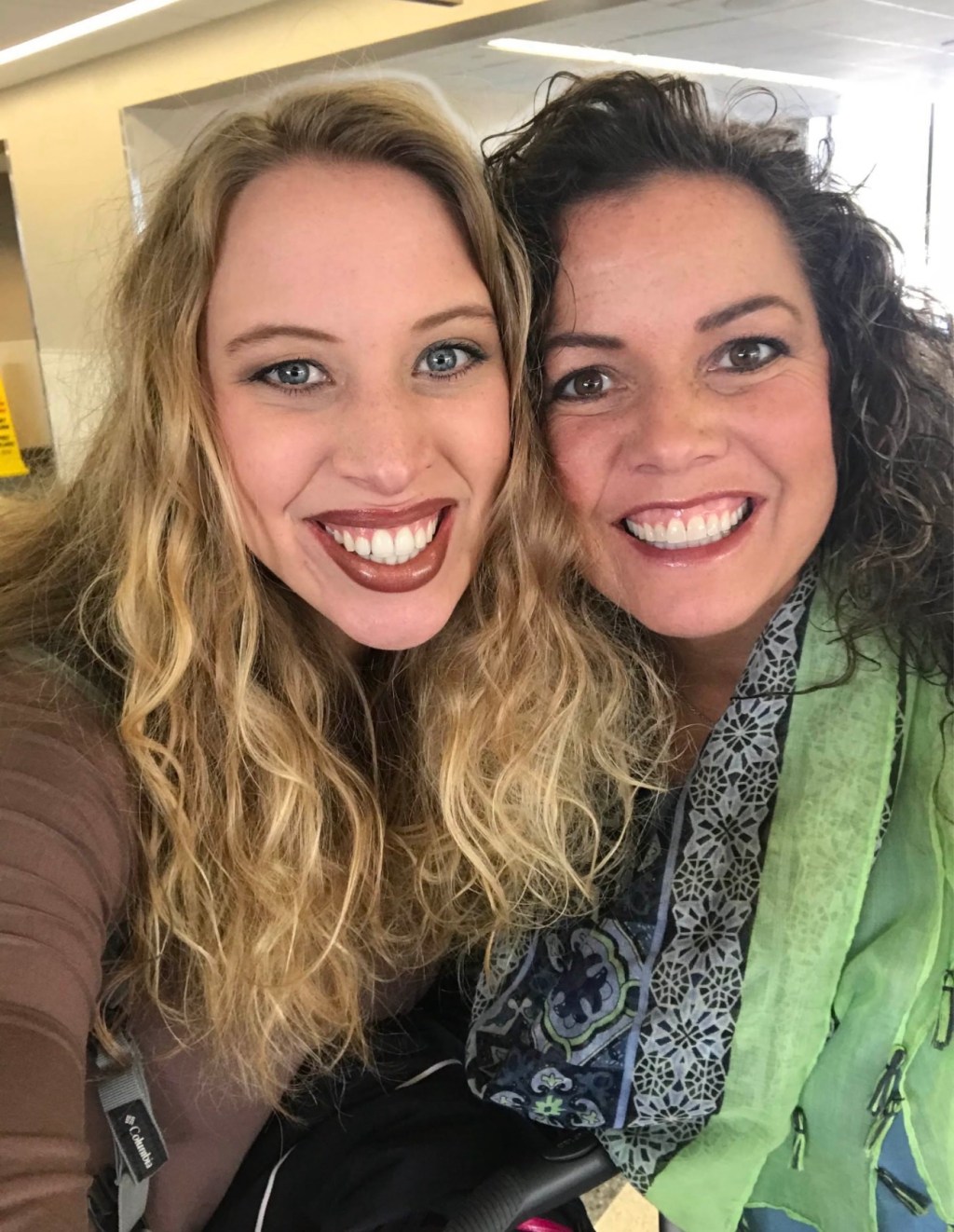
Today, I remember our smiles. I remember my Mom’s beautiful enthusiasm and I remember us rejoicing together, enjoying one another’s companionship. I remember her warmth and endless laughter, I remember her closeness, and I miss her.
“Painful” is the word I most often use to describe this liminal and tormenting reality, but it’s not just emotionally painful.
We are whole beings: sorrow and stress affect our entire bodies as much as they affect our minds.
I started to experience heart complicated about a year and half before Patrick died. These moments manifested as a chest pain, a resting heart rate of around 145 bpm, and a persistent murmur. They grew worse after my friend Walter died, and worse after Patrick died.
My parents finally convinced me to go to the doctor a year after Patrick died, when my chest pain and exhaustive heart rate seemed more of a regularity than an exception. Doctor after doctor and test after test finally lead to an ultrasound of my heart that revealed that my heart aged far quicker than the rest of me. The stenosis resembled someone in their 50s or 60s, not that of a 22 year old. They gave me a beta blocker and told me I’d likely need a pacemaker by the time I turn 35.
I began EMDR, a form of intensive trauma therapy (10/10 recommend), a few months after the diagnosis. To my surprise, I hardly needed my medicine anymore. I restabilized and seldom needed the beta blocker to calm my overreacting heart. Every few years, my cardiologist will continuously monitor my heart for a couple weeks to check in and I received fairly positive results from my last exam in 2023. Healing my mind healed my body, but not entirely.
Since my Mom took her life, I’ve had 56 episodes. These days, sometimes even the beta blocker seems to have little power against the arrhythmia. I wonder what an ultrasound would reveal now. I wonder if the timeline for my inevitable pacemaker draws nearer and nearer.
I’m so tired. Everyday feels like a fight. A new drama, a new hurt, a new layer.
Grief haunts the mind and lives in the body, terrorizing its hosts with one complication after another.
And then you add the drama, all the extra losses, all the disappointments that coalesce to prohibit the griever from feeling alive.
I feel like a ghost, living among ghosts haunting me from their violent deaths. I feel like a ghost, haunting my friends who are vibrant with life while I am trapped by these deaths. I feel like a ghost, left behind in this unforgiving world.
I’m a little “late” to my write this post because I have been so enormously frustrated and exhausted.
Let he who is without sin throw the first stone.
John 8:7
Within the past month, there have been some who surmise that they have discovered the answer for “why” my mother ended her life, and with that “answer,” they cast stones at my family.
Lovely.
In the name of love for my Mother, they seek to harm those she loved most.
Those who believe they discovered the answer claim that they saw the signs, and, to that, I ask, “why did you not share them?” If you think you found the root cause, if you think you saw it while she still lived, why were you silent?
Let he who is without sin throw the first stone.
There is no room in this sacred space of mourning and bereavement for blame, self-righteousness, shame, and condemnation. It is shame that kills us most. Do not speak of things you do not know or understand. Do not assume to know the mind of the departed. Do not impart discord, hatred, and cruelty on her survivors.
Victims and perpetrators, that’s what everyone is in the wake of a suicide, including the one who physically died. Those left behind simply become more dead than alive, people walking without their hearts. Sullen, sunken, and tired eyes barely greeting those around them.
There is much we do not know, and there is much we do know. Do not be foolish enough to think that you have it figured out, and do not be cruel enough to speak abhorrent conjectures into existence.
This is the mess that fuels the stigma suicide survivors live through. This is the loss that begets loss, the suffering that begets suffering.
Yes, it’s harsh. Yes, it’s cruel. And yes, unfortunately, it’s the reality.
* * * * *
For those seeking to help and ease the suffering, the best thing you could do for your friends in mourning is simply to show up and listen with empathy and understanding. Advice doesn’t help. Platitudes don’t help. Conjecture doesn’t help. Empathy and compassion help.
Calm kindness helps. Showing up helps, checking in helps.
Reader, may your lives never experience this horror [again], and may love and compassion greet you. may kindness and humility envelop you. May reconciliation find you. May peace carry your broken heart.
I began writing these posts to bring awareness to grief, loss, and surviving suicide.
I lost my brother to suicide when I was 21: back then, very few people in my life had experienced any type of familial loss. I lost my mother to suicide when I was 27, and, still, few people in my life have experienced familial loss.
A majority of people my age haven’t experienced loss, and a majority of people who have experienced loss have not experienced suicide.
Most people reading these posts know me and my family, and have thus now been affected by suicide.
These posts are meant to bring awareness and to highlight a community of mourners. I try to write about my individual experience with grief and it seems that many have found solace and community from these words.
A few weeks ago, I wrote how many have experienced me at my worst while I have experienced them at their best — their tenderest, their most thoughtful, their most considerate, their most generous. It has been beautiful to see people show up for me and my family.
I would be remiss not to mention how this brings out the worst in us, too. Unexpected loss makes people quick to anger or irritability as the brain tries to process a world that no longer makes sense.
Suicide loss forces people to try to find meaning behind a senseless and terrible loss, and this can turn people against one another in the vilest ways. Endless questions of Why did she end her life? exhaust survivors’ minds and, too quickly, the community that should rally to support one another the most instead turns on each other.
In trying to find meaning, survivors can all too easily blame one another — It must have been her job stress. It must have been the church. It must have been her family. It must have been her parents’. It must have been her kids. It must have been her spouse. It must have been her sibling. It must have been her friends. It must have been myself. You should have seen the signs. I should have seen the signs.
Do you see how damning those statements are?
Damning.
Those statements destroy, and, yet, those who should support one another the most can viscously accuse one another with similar statements.
People think it. Some people say it. All survivors feel it.
The truth is that all of this is horrific. The truth is that no one on the planet wanted this. The truth is that any of us would have done anything to prevent this outcome. And yet, people still whisper accusations about survivors and can scream them at her closest friends and family members.
Nobody wanted this. Nobody caused this. Don’t blame her community. Don’t blame her friends. Don’t blame her family. Don’t blame yourself.
Don’t add more hurt to the most painful situation imaginable.